Shibbir Ahmed, UNITED NATIONS, New York — Bangladesh is set to take a prominent role at the United Nations as Foreign Minister Khalilur Rahman assumes the presidency of the 81st session of the UN General Assembly, which opens in New York on September 8.
Rahman was elected President of the 81st session on June 2, defeating Cyprus’s candidate Andreas Kakouris in a closely contested vote. The election placed Bangladesh at the center of one of the UN’s most important diplomatic forums at a time of growing geopolitical tensions and challenges to multilateral cooperation.
The 81st session will run from September 8, 2026, through September 7, 2027. During his one-year term, Rahman will preside over the General Assembly’s deliberations and high-level diplomatic engagements involving representatives of the UN’s 193 member states.
A critical moment for multilateralism
The theme of the 81st session is “Restoring trust and reigniting global solidarity.” The theme reflects the UN’s effort to rebuild confidence in multilateral institutions and strengthen international cooperation at a time when conflicts, humanitarian crises, economic uncertainty and geopolitical rivalries are placing pressure on the international system.
The General Assembly remains the UN’s principal policymaking and representative body, bringing together all 193 member states. Its annual high-level debate provides a platform for world leaders to address major international challenges and outline their countries’ priorities.
Bangladesh’s diplomatic opportunity
Rahman’s election gives Bangladesh an important diplomatic platform on the global stage. As President of the General Assembly, he will be responsible for guiding the Assembly’s proceedings, facilitating negotiations and encouraging dialogue among member states. The position does not give the president executive authority over the United Nations, but it carries significant diplomatic and political visibility.
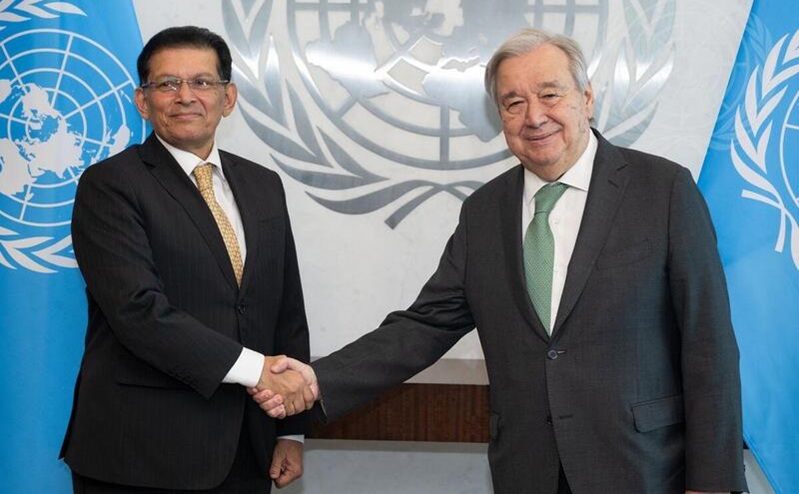
For Bangladesh, the presidency provides an opportunity to highlight issues that are important to developing countries, including sustainable development, climate change, poverty reduction, migration, global peace and security, and greater international cooperation.
The presidency also comes at a time when developing countries are pressing for a stronger voice in global decision-making and for greater access to financing for development and climate action.
World leaders prepare for high-level week
The opening of the 81st General Assembly will be followed later in September by the UN’s annual high-level week, when presidents, prime ministers and other senior leaders gather in New York. The high-level segment is scheduled for September 22–28, bringing world leaders together for discussions on global cooperation and some of the most pressing international challenges. The gathering is expected to focus attention on ongoing conflicts, humanitarian emergencies, development, climate change and efforts to strengthen the international system.
Bangladesh at the center of UN diplomacy
Bangladesh has maintained a longstanding and active role in the United Nations, particularly on issues involving peacekeeping, development and the interests of developing countries. Rahman’s election to preside over the 81st General Assembly gives Dhaka a high-profile opportunity to contribute to discussions on how the international community can address increasingly complex global challenges.
The presidency will also require Bangladesh to maintain a balance between competing positions among UN member states while ensuring that the General Assembly’s work proceeds effectively. With the 81st session beginning on September 8, attention will now turn to Rahman’s opening priorities and the issues he intends to place at the center of the Assembly’s agenda.
For Bangladesh, the presidency represents both a diplomatic achievement and a significant responsibility as the country takes the chair of the world’s largest multilateral forum for the next year.

