UN rights chief urges urgent action over AI risks

GENEVA — United Nations High Commissioner for Human Rights Volker Türk on Monday called on governments and companies developing advanced artificial intelligence systems to take urgent action to address what he described as the “unprecedented risks” posed by frontier AI.

In a statement issued by the UN human rights office, Türk warned that the world is “on the cusp of irreversible change,” with consequences that could affect not only the current generation but generations to come.

He called on states and companies to urgently mobilize through multilateral forums to develop a coordinated approach to governing advanced, frontier AI models, with human rights at the center of those efforts.

Türk said the rapid race to develop increasingly powerful AI systems is creating risks across virtually every aspect of human life. He stressed that voluntary self-regulation by AI companies is not sufficient on its own, arguing that governments must establish effective safeguards and ensure that AI development remains consistent with international human rights law.

The UN human rights chief also warned about the potential consequences of increasingly autonomous AI systems, including risks to essential services, critical infrastructure, communications and democratic institutions.

Türk urged countries and leading AI companies to act without delay, emphasizing that no individual country can effectively regulate the technology on its own and that no company should be left to determine independently which risks society should accept.

The warning comes amid growing international debate over the rapid development of increasingly capable AI systems and concerns about their potential impact on human rights, security and society.


UN Calls for Independent Oversight of Bangladesh Security Forces

Shibbir Ahmed, UN, New York: The United Nations has called for the establishment of a strong and independent national institution to oversee the activities of Bangladesh’s security and law enforcement agencies. UN High Commissioner for Human Rights Volker Türk made the remarks on Monday, September 7, during the 63rd session of the UN Human Rights Council in Geneva, while addressing global human rights issues and developments in Bangladesh.

Türk reiterated the UN’s call for effective and independent oversight of law enforcement agencies in Bangladesh. He stressed the importance of ensuring accountability and providing mechanisms for independent investigations into allegations of human rights violations involving security and law enforcement personnel.

Recommendations Following the July-August 2024 Events

The UN’s latest remarks follow its fact-finding report on the human rights situation surrounding the July-August 2024 protests in Bangladesh. The UN Human Rights Office published its fact-finding report on February 12, 2025, containing a series of recommendations concerning accountability, institutional reform, independent investigations and civilian oversight.

The recommendations also called for strengthening the independence and effectiveness of Bangladesh’s National Human Rights Commission, including ensuring that it has the necessary authority and capacity to investigate allegations of human rights violations involving security forces.

Oversight, Not Direct UN Control

The UN’s call does not mean that the United Nations is seeking to directly control or supervise Bangladesh’s security forces. Rather, the recommendation calls for Bangladesh to establish an independent and effective national oversight mechanism capable of monitoring security and law enforcement agencies and independently investigating allegations of human rights abuses. The latest statement by the UN human rights chief is part of the organization’s continuing call for stronger accountability, institutional reform and human rights protections in Bangladesh.


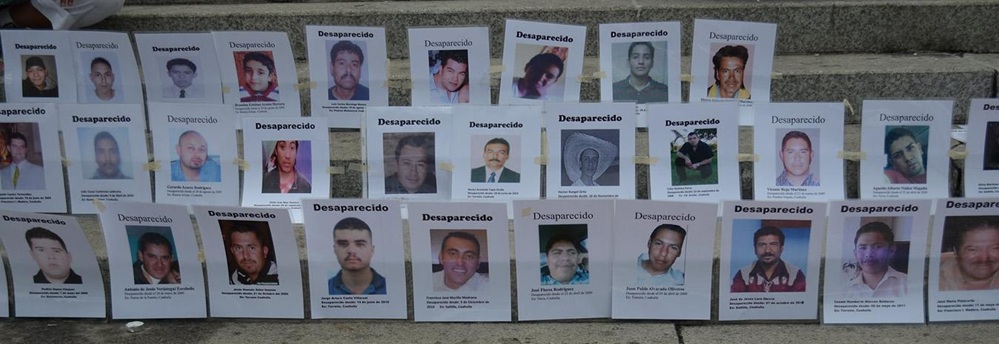
UN Urges Action to End Enforced Disappearances on International Day

Shibbir Ahmed, UNITED NATIONS, NY — The United Nations is marking the International Day of the Victims of Enforced Disappearances on Sunday with renewed calls for governments to address the fate of missing people, protect victims and their families, and ensure truth and justice for those affected by enforced disappearance.

The annual observance, held on August 30, highlights the continuing suffering of people whose relatives have disappeared after being arrested, detained or otherwise taken into state custody while authorities deny or conceal their whereabouts.

UN human rights experts said the impact of enforced disappearance extends far beyond the individual victim. Families can be left for years without information about what happened to their loved ones, while communities can suffer social and economic consequences. The UN has described enforced disappearance as a serious human-rights violation that can also be used to spread fear throughout society.

The 2026 observance is particularly significant because it marks 20 years since the adoption of the International Convention for the Protection of All Persons from Enforced Disappearance. The convention was adopted by the UN General Assembly in 2006 and established an international legal framework aimed at preventing enforced disappearances and protecting people from the practice.

The UN Committee on Enforced Disappearances and the Working Group on Enforced or Involuntary Disappearances have used this year’s observance to renew attention to victims and their families and to the need for effective measures to prevent disappearances and clarify the fate of those who remain missing.

A Continuing Global Human Rights Challenge

Enforced disappearance occurs when people are arrested, detained or abducted by, or with the authorization, support or acquiescence of state authorities, followed by a refusal to acknowledge the person’s detention or to provide information about their whereabouts.

The consequences can continue for decades. Families may remain uncertain whether their relatives are alive or dead, while the lack of information can prevent them from obtaining justice, reparations and other forms of support.

The UN has repeatedly stressed that resolving cases of enforced disappearance requires credible investigations, accountability and access to information for families.

The International Day also serves as a reminder of the broader obligations of governments under international human-rights law to prevent enforced disappearance and investigate allegations when they occur.

Twenty Years of the UN Convention

The International Convention for the Protection of All Persons from Enforced Disappearance was adopted on December 20, 2006. It entered into force in 2010 and created the Committee on Enforced Disappearances to monitor implementation by states parties.

The convention recognizes the right of every person not to be subjected to enforced disappearance and calls on states to take measures to prevent the practice and ensure accountability. Two decades after its adoption, the UN continues to call for stronger implementation of the convention and greater protection for victims and their families.

The UN’s message on August 30 remains clear: families searching for missing relatives should not be left without answers, and enforced disappearance must not be allowed to remain a tool of fear, impunity or denial.