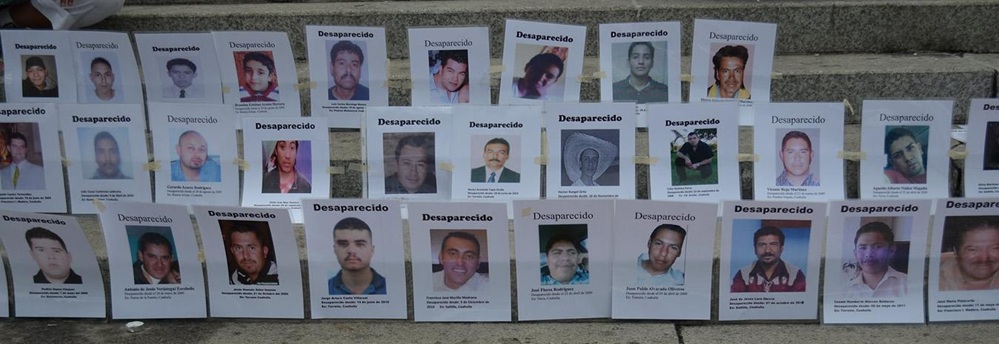
Criminals involved in enforced disappearances should be brought to justice: President
DHAKA – President Mirza Fakhrul Islam Alamgir has said all criminals involved in enforced disappearances should be brought to justice, no matter how powerful they are. “There would be no more ‘Aynaghar’ in independent Bangladesh and every criminal involved in enforced disappearance must receive the maximum punishment under the law,” he said.
The President said this while addressing an event today marking the International Day of the Victims of Enforced Disappearances-2026 as the chief guest. Organized by the Ministry of Liberation War Affairs, the discussion was held at the Bangladesh-China Friendship Conference Centre here this morning.
The president said during the past one and a half decades under the fascist government, the unbearable grip of enforced disappearance and secret detention centre ‘Aynaghar’ had weighed heavily on Bangladesh.
“Those who protested against injustice, expressed dissent, or remained vocal on the streets to demand democratic rights were picked up to silence them and were subjected to enforced disappearance and killings. Yet, the state institutions subservient to the fascists continued to deny those heinous crimes,” he added.
Mirza Fakhrul said in the backdrop of mass uprising of unarmed students and people the fascist ruler was forced to flee the country. Now, reparation measures must be taken instead of revenge, and the real criminals must be brought under law.
The President noted that all scopes of returning fascism to this country would be permanently closed. He said enforced disappearance is not merely taking away a person. It takes away the smiles, peace, dreams, and economic and social well-being of their beloved ones.
“It is a heinous violation of human rights. The constitution of country has guaranteed rights of every citizen to live, enjoy liberty anf getting protection of law. Through enforced disappearances and killings, all these rights are violated at once,” he noted.
“I believe the state’s responsibility will not end merely by punishing the criminals,” he said, urging the government to stand beside the victims and families of enforced disappearance by ensuring their dignity, social security, healthcare, education, livelihood, and rehabilitation. The President said establishment of culture of enforced disappearance and killing is a deeply painful and humiliating chapter in our national history.
He mentioned the incidents of enforced disappearance during the fascist regime including Ilias Ali, Chowdhury Alam, Sajedul Islam, incumbent home minister Salahuddin Ahmed, Barrister Arman and retired Lieutenant General Azmi saying countless dissents, officials, writers, journalists, social workers, and even housewives and ordinary citizens were subjected to disappearance.
The President said former Prime Minister Begum Khaleda Zia had always been vocal against enforced disappearances and killings by the fascist government. Many leaders of BNP, Jamaat-e-Islami, social entities, media, civil society members, and people from all walks of life fell victim of enforced disappearance and killings during the fascist regime, he said. The president also remembered Sanjida Islam Tulee, convener of Mayer Dak, who had been vocal against enforced disappearances during the fascist era.
“We want a Bangladesh where there will be political differences, but no political vengeance. There will have freedom of expression, but no culture of fear. There will have law and order, but no injustice in the name of law. The state will have power, but that power will remain under the control of the Constitution and the law,” he said.
“Alongside economic growth, the true picture of a state’s development and success is reflected on how it practices democratic, how much it’s based on justice and humanity and how much safe its citizens lives,” he said.
Liberation War Affairs Minister Ahmed Aazam Khan presided over the event while Home Minister Salahuddin Ahmed, Law Minister Md. Asaduzzaman and State Minister for the Ministry of Liberation War Affairs Ishraque Hossain were present as special guests. Victims of enforced disappearances also lawmakers Humam Quader Chowdhury, Anisur Rahaman, Tahsina Rushdir, Sanjida Islam, Mir Ahmad Binquasem spoke on the occasion and demanded a fair trial of the incidents of enforced disappearances.