Oil tanker hit by projectile near Oman as Strait of Hormuz shipping risks rise
DUBAI: An oil tanker was struck and disabled by an unidentified projectile near the coast of Oman in the Strait of Hormuz, highlighting the growing risks facing commercial shipping as tensions surrounding the Iran conflict continue to disrupt one of the world’s most important energy corridors.
The United Kingdom Maritime Trade Operations (UKMTO) reported Tuesday that the tanker was hit Monday night a few miles off Oman’s eastern coast. The impact damaged the vessel’s engine and left it unable to continue normal operations. All crew members were reported safe, and there were no immediate reports of environmental damage.
The identity of the vessel and the exact source of the projectile were not immediately established. The incident comes amid a series of attacks and other maritime incidents in and around the Strait of Hormuz since the conflict between Iran and the United States and its regional partners intensified.
Strait of Hormuz under growing pressure
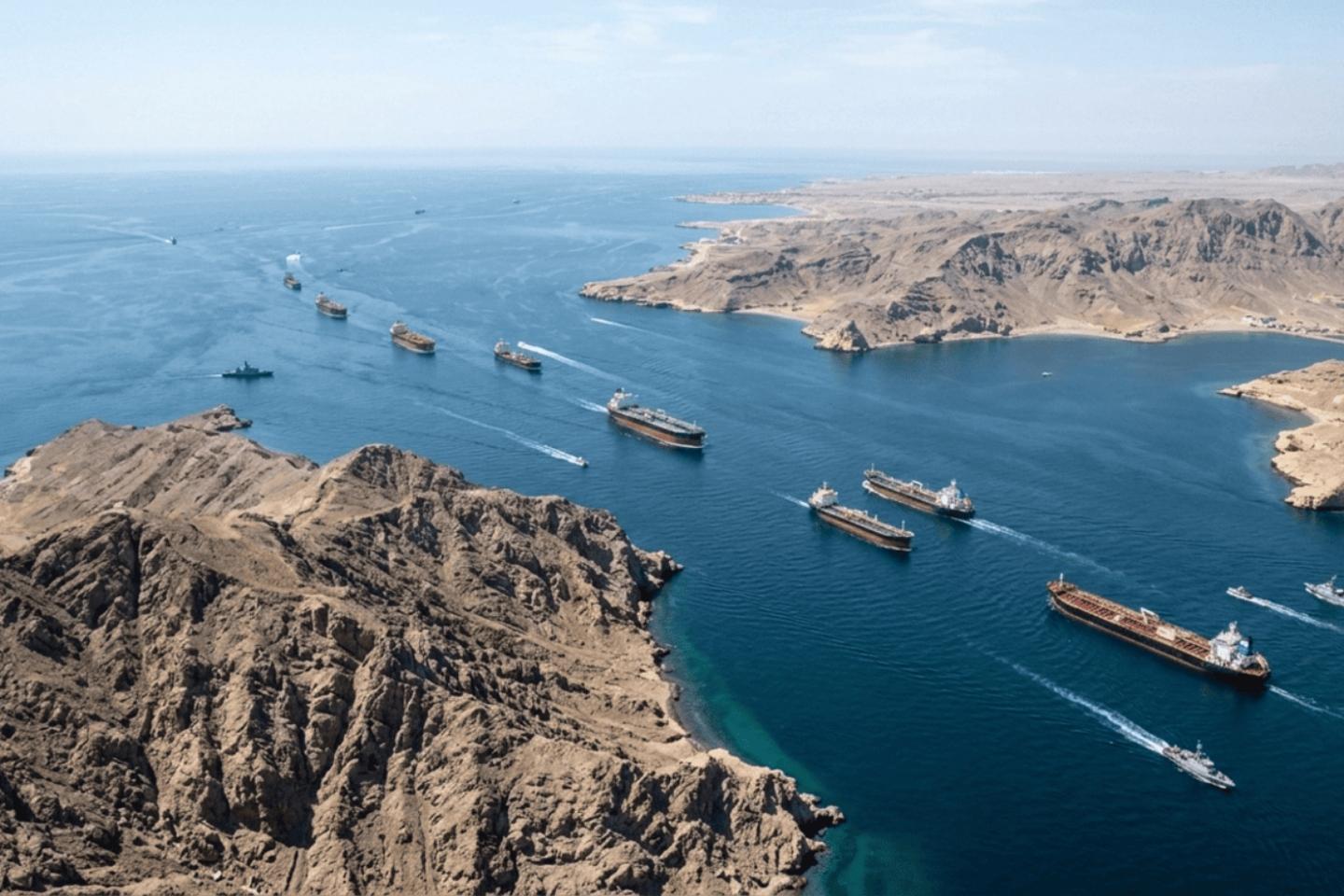
The Strait of Hormuz is a critical global shipping route connecting the Persian Gulf with the Gulf of Oman and the Arabian Sea. Any prolonged disruption could have consequences far beyond the Middle East, particularly for global oil and gas markets.
Commercial shipping through the waterway has already fallen sharply. Data cited by Reuters showed that tanker traffic has slowed dramatically following attacks on vessels, with many shipping companies increasingly concerned about the risks of navigating the strait.
On Monday, commodity-vessel traffic through the waterway reached a three-month low, with only a small number of tankers making the passage, according to shipping data. The latest tanker strike adds another layer of uncertainty for companies attempting to maintain operations through the strategic waterway.
No immediate environmental impact reported
Authorities said there was no immediate indication of an oil spill from the latest incident. That has provided some relief after previous maritime incidents in the region caused significant environmental concerns. A separate tanker grounding off Oman earlier this month resulted in a major oil spill that reached the country’s coastline, according to Omani authorities and international agencies. The possibility of additional tanker damage remains a major concern for shipping companies, insurers and governments monitoring the conflict.
Shipping companies face difficult choices
The continuing attacks have forced shipping companies to reassess whether vessels can safely use the Strait of Hormuz. Some vessels have reduced or delayed voyages, while others have sought alternative routes where possible. Shipping companies also face higher insurance costs and uncertainty over whether vessels can safely pass through the waterway. The decline in traffic is particularly significant because the Strait of Hormuz is a crucial route for energy shipments from Gulf producers.
The United States and Iran have exchanged threats during the conflict, while Iranian officials have repeatedly warned that escalation could affect shipping through the strait. Reuters reported that Iran has several options for increasing pressure on global energy markets, including further disruption of shipping routes.
Incident comes amid diplomatic efforts
The tanker incident occurred as Pakistan intensified diplomatic efforts to bring the United States and Iran back toward negotiations. Pakistan has been attempting to mediate between the two sides, with senior Pakistani officials holding talks in Tehran. The diplomatic efforts are aimed in part at reducing tensions and restoring safer navigation through the Strait of Hormuz.
The United States has also expanded economic sanctions against Iran, while Tehran has vowed to resist the new measures. The combination of increased economic pressure and continued maritime incidents has raised concerns that the conflict could remain volatile even as diplomatic efforts continue.
Global energy markets watching closely
Despite the latest tanker incident, oil prices fell Tuesday as investors assessed the impact of the latest U.S. sanctions and the possibility that diplomatic efforts could eventually reduce tensions. Reuters reported that Brent crude fell more than 3 percent to around $89 a barrel, while U.S. West Texas Intermediate crude also declined.
Analysts, however, continue to warn that any major disruption to the Strait of Hormuz could quickly change the outlook for global energy supplies. For now, the latest tanker strike underscores the fragile security environment in the Gulf. With commercial traffic already significantly reduced and diplomatic efforts still uncertain, shipping companies and energy markets remain highly sensitive to any new incident in or around the Strait of Hormuz.