UN Security Council Confronts Syria’s Chemical Weapons Legacy as Destruction Begins

Shibbir ahmed, UNITED NATIONS, New York — The United Nations Security Council met Thursday to address Syria’s chemical weapons program, as Damascus begins a major effort to destroy remnants of the arsenal left behind by the former government of Bashar al-Assad.

The meeting comes at a significant moment for Syria’s chemical weapons file. New discoveries made after the fall of Assad’s government have raised fresh questions about the scale of the country’s undeclared chemical weapons program and whether all remaining materials have been identified.

At the same time, Syria has begun destroying chemical weapons materials, marking a potentially important new phase in international efforts to eliminate the country’s chemical weapons legacy. The Organisation for the Prohibition of Chemical Weapons (OPCW) has verified the destruction of chemical munitions in Syria for the first time since 2014.

Security Council Focuses on Syria

The Security Council’s meeting was held under the agenda item concerning the situation in the Middle East, with particular attention to efforts to eliminate Syria’s chemical weapons program. The issue remains highly sensitive because Syria’s chemical weapons program has been linked to some of the most serious allegations of chemical weapons use during the country’s civil war.

The international community has spent years attempting to establish the full scope of Syria’s chemical weapons activities, verify declarations made by the former government and ensure that prohibited materials are destroyed. Thursday’s meeting comes as new evidence and discoveries have reopened questions about what remained hidden.

Syria Begins Destroying Chemical Weapons Remnants

Syria has now begun destroying materials connected to the former government’s chemical weapons program. According to Reuters, the materials were discovered in May 2026 by Syria’s new leadership. The cache included raw materials and munitions similar to those associated with deadly chemical attacks during the civil war.

The OPCW has verified the destruction of chemical munitions, representing the first such verification in Syria since 2014. The development has been welcomed as an important step toward removing a major security threat from Syria and the wider Middle East.

New Discoveries Raise Questions

International investigators have uncovered additional evidence concerning the former Syrian government’s chemical weapons infrastructure. The discoveries include an additional production facility, a previously unidentified chemical associated with nerve agents, unfilled munitions and two storage facilities, according to Reuters.

The findings have reinforced concerns that the former Syrian government’s declarations about its chemical weapons program did not provide the international community with a complete picture. For the United Nations and the OPCW, determining the full extent of the undeclared program remains a major priority.

42 Aerial Bombs Permanently Destroyed

Among the developments reported Thursday, OPCW teams confirmed the permanent destruction of 42 aerial bombs in Syria. The destruction represents a concrete step toward eliminating remaining chemical weapons materials and reducing the possibility that such weapons could fall into the hands of armed groups or be used in future conflicts. The process is expected to require continued international monitoring, verification and cooperation from Syrian authorities.

The Ghouta Legacy

Syria’s chemical weapons issue is inseparable from the devastating history of chemical attacks during the country’s civil war. One of the most notorious incidents occurred in the Ghouta area near Damascus in August 2013, when a sarin attack killed and injured large numbers of civilians. More than a decade later, the victims and survivors continue to demand truth, justice and accountability.

At Thursday’s Security Council meeting, Britain’s Deputy Permanent Representative to the UN, Ambassador Kate Foster, said Syria’s progress should receive international support but stressed that this progress must lead to the complete and verified destruction of the former regime’s chemical weapons program. She also emphasized the need for truth, justice and accountability for victims.

Accountability Remains a Central Issue

Destroying chemical weapons is only one part of the international community’s response. Another major question is accountability for those responsible for developing, maintaining or using chemical weapons.

The OPCW has previously identified Syrian government forces as responsible for several chemical weapons attacks. In January 2026, the organization said its investigations had produced further evidence of systematic use of toxic chemicals as weapons by the former Syrian authorities.

The organization has also said that the fall of the Assad government created an opportunity to uncover the full scope of Syria’s chemical weapons program. Since 2025, the OPCW has expanded its presence in Syria, including inspections, sampling, interviews and the collection of documents relating to the former chemical weapons program.

A New Phase for Syria

The destruction process represents a significant change from the situation that existed under the Assad government. Syria has committed to cooperating with international chemical weapons inspectors and fulfilling its obligations under the Chemical Weapons Convention.

The international community now faces the challenge of ensuring that this cooperation continues and that every remaining chemical weapons facility, stockpile and relevant material is identified and safely destroyed. The process could take considerable time because investigators must not only locate physical materials but also establish whether previous declarations were complete and accurate.

Concerns Beyond Chemical Weapons

The Security Council’s discussions come amid broader questions about Syria’s past weapons activities. The UN has also been examining information concerning undeclared nuclear activities under the former government. Recent findings by the International Atomic Energy Agency have added another layer to international scrutiny of Syria’s former weapons-related programs.

The IAEA has reported evidence consistent with nuclear reactor infrastructure at a site in Deir Az Zor and has said Syria failed to report certain nuclear material, facilities and activities under the Assad government. The combination of chemical weapons discoveries and renewed scrutiny of Syria’s nuclear history has made the country an important focus of international non-proliferation efforts.

Regional Security at Stake

The issue extends beyond Syria’s borders. Syria sits at the heart of a region already affected by multiple conflicts and competing military interests. Any remaining chemical weapons materials could pose a serious threat if acquired by armed groups or transferred outside the country.

For that reason, the United Nations considers the destruction and verification of Syria’s chemical weapons program an important component of regional security. The goal is not simply to remove existing weapons but to ensure that the infrastructure, knowledge and materials necessary to produce such weapons cannot be reconstituted.

International Cooperation Will Be Critical

The success of the process will depend heavily on cooperation between Syria, the United Nations, the OPCW and other international partners. Inspectors will need access to suspected sites, documents and relevant personnel. Syrian authorities will also need to provide information about facilities and materials that may not yet have been identified.

The international community, meanwhile, will have to provide technical expertise and support for the safe destruction of hazardous materials. Thursday’s Security Council meeting therefore represents more than another diplomatic discussion. It comes at a moment when international investigators are gaining access to previously hidden information and Syria is beginning to destroy remnants of its former chemical weapons program.

What Comes Next?

The immediate priority is to identify and destroy all remaining chemical weapons materials and verify that the process is complete. The OPCW and the United Nations will continue monitoring developments, while the Security Council is expected to remain engaged with the issue. The discovery of previously undeclared materials means the process is unlikely to end quickly.

But the destruction of the first newly identified stockpiles provides an important indication that Syria’s chemical weapons file may finally be entering a new phase. For the victims of Syria’s chemical attacks, however, destruction of the weapons is only part of the story.

The international community continues to face the larger challenge of establishing the truth about what happened, identifying those responsible and ensuring that chemical weapons are never again used against civilians. As Britain’s representative told the Security Council on Thursday, chemical weapons have no place in Syria—or anywhere in the world.


Trump Warns Iran of More U.S. Strikes as Middle East Conflict Escalates

Shibbir Ahmed, WASHINGTON DC — President Donald Trump has warned Iran that the United States is prepared to launch additional military strikes, as the latest round of fighting between Washington and Tehran threatens to widen into a broader regional conflict.

Trump’s warning came after U.S. forces conducted a major wave of strikes against Iranian targets, which the U.S. military said included air-defense systems, radar installations, maritime assets, mine-laying capabilities and communications facilities.

Speaking to reporters in the Oval Office on Wednesday, Trump said the United States had hit Iran “very hard” and was prepared to carry out another attack whenever he believed it was necessary. The warning came as Iran continued its retaliation against U.S. positions and regional countries hosting American forces.

Iran launches missiles and drones toward Kuwait

The conflict took another dangerous turn Thursday when Kuwait said its air-defense systems confronted incoming Iranian missiles and drones. Kuwait hosts several U.S. military facilities and has become increasingly exposed to the consequences of the widening U.S.–Iran confrontation. The Kuwaiti military said the attacks were hostile missile and drone strikes originating from Iran, although it did not immediately report casualties.

The latest attack follows Iranian strikes and attempted strikes against locations associated with U.S. forces across the Gulf and surrounding region. The developments have raised fears that the conflict could increasingly involve U.S. allies and partners, turning the confrontation between Washington and Tehran into a wider regional crisis.

U.S. strikes target Iranian military infrastructure

The Pentagon’s Central Command said the latest U.S. operation targeted Islamic Revolutionary Guard Corps facilities and military infrastructure. Among the targets were air-defense sites, radar systems, maritime equipment, communications facilities and capabilities that the United States says could threaten shipping through the strategically vital Strait of Hormuz.

The waterway is one of the world’s most important energy corridors, carrying a significant portion of global oil shipments. The renewed fighting has already disrupted commercial shipping through the area. Reuters reported Thursday that only six vessels passed through the Strait of Hormuz on Wednesday, compared with a normal daily average of about 13.

Civilian casualties increase pressure on Washington

The latest U.S. strikes have also generated concern over civilian casualties. Iranian officials reported that a strike in southern Iran hit a wedding gathering, with civilians among those killed and wounded. U.S. Central Command said the American military does not target civilians and said it was reviewing the reports.

Reuters reported Thursday that Iranian officials had reported 18 civilian deaths and more than 100 people wounded in the latest U.S. strikes. The competing claims have become another source of tension as the two sides present sharply different accounts of the conflict.

The United States maintains that its operations are directed against Iranian military capabilities, while Iranian officials accuse Washington of attacking civilian infrastructure and violating international law.

Iran reports military casualties

Iran has also suffered significant military losses during the latest American strikes. According to Iran’s semi-official Tasnim news agency, at least 13 Iranian military personnel have been killed in U.S. strikes this week. The reported dead include members of Iran’s regular military, the Islamic Revolutionary Guard Corps and its paramilitary forces.

The casualties come after a month-long lull in major direct hostilities. The latest fighting began again over the weekend, with the United States saying it had attacked Iranian launchers preparing to fire rockets into the Strait of Hormuz. Iran then retaliated against U.S.-linked targets in the region.

Gulf states caught between Washington and Tehran

The widening conflict is placing America’s Gulf partners in an increasingly difficult position. Countries including Kuwait, Bahrain, Qatar and the United Arab Emirates host important U.S. military facilities while maintaining their own relationships with the United States and other international powers.

Iran’s attacks or attempted attacks against locations in these countries raise the possibility that regional governments could become directly involved in the conflict even if they do not seek confrontation with Tehran.

Kuwait’s latest experience illustrates the problem. Although Kuwait is not a direct party to the U.S.–Iran war, its territory and military infrastructure are exposed because of the presence of American forces. Analysts have warned that Gulf states could face increasing pressure if Washington and Tehran continue exchanging attacks.

Strait of Hormuz becomes critical flashpoint

The Strait of Hormuz has emerged as one of the most important flashpoints in the conflict. The narrow waterway connects the Persian Gulf with the Gulf of Oman and the Arabian Sea and is critical to international energy markets. Any prolonged disruption could affect oil supplies, shipping costs and fuel prices around the world.

Oil markets reacted sharply to the latest escalation. Reuters reported Thursday that Brent crude rose to around $96 a barrel, while U.S. West Texas Intermediate crude approached $92 a barrel, putting both benchmarks near six-week highs. Higher energy prices could eventually increase transportation and consumer costs and add to inflationary pressures in the United States and other economies.

Pentagon prepares for a prolonged conflict

The military situation also suggests that Washington is preparing for the possibility that the conflict could last longer than initially expected.The Wall Street Journal reported Thursday that Defense Secretary Pete Hegseth has extended Middle East deployments into 2027. Approximately 50,000 U.S. troops remain in the region, supported by warships, air-defense systems, fighter aircraft and other military assets.

The deployment decisions indicate that, despite Trump’s public suggestion that the renewed campaign would not continue indefinitely, the Pentagon is maintaining a substantial military presence in the region.

That creates a complicated policy situation for the Trump administration. On one hand, the president has signaled that he wants to maintain pressure on Iran and has repeatedly warned Tehran against attacking American forces. On the other, prolonged military operations carry significant costs and risks, particularly if American forces become increasingly exposed to Iranian retaliation.

Political pressure grows ahead of midterm elections

The conflict is also unfolding against the backdrop of the November 2026 midterm elections. Reuters has reported that some Trump administration officials want to avoid allowing the war to dominate the political environment before voters go to the polls, while internal discussions have continued over whether the military campaign should be expanded or brought toward an end.

That creates a difficult political calculation for the White House. A continued military campaign could increase pressure over casualties, military spending and civilian deaths.But stepping back without achieving the administration’s stated objectives could create its own political challenges.

Trump has attempted to maintain flexibility, suggesting that the United States can strike again if necessary while also indicating that the renewed campaign will not necessarily continue indefinitely.

No clear diplomatic breakthrough

Despite occasional references to diplomacy, there is currently no clear indication of a comprehensive agreement between Washington and Tehran that would bring the conflict to an end. Instead, the latest developments point toward continued military pressure and retaliation.

The danger is that an attack initially directed at U.S. or Iranian military targets could trigger a chain reaction involving Gulf states, commercial shipping or other regional actors. The reported Iranian attack on Kuwait demonstrates how quickly the geographic scope of the conflict can expand.

A conflict with global consequences

The U.S.–Iran confrontation is no longer simply a bilateral military dispute. It has become a major international security and economic issue. The conflict is affecting shipping through the Strait of Hormuz, pushing oil prices higher and forcing Gulf governments to strengthen their defenses. It is also placing thousands of American service members across the Middle East in an increasingly dangerous environment.

For Iran, continued U.S. strikes threaten military infrastructure and economic interests while creating pressure on Tehran to demonstrate that it can retaliate. For Washington, the central challenge is balancing military pressure against the risk of a wider war.

Trump’s latest warning that the United States can launch another strike whenever it chooses underscores the uncertainty. Whether that warning becomes another military operation or part of a broader effort to force Iran back toward negotiations could determine the next phase of the conflict.

For now, however, the message from Washington is clear the United States has not ruled out further strikes, while Iran continues to retaliate. And with Gulf states increasingly exposed and the Strait of Hormuz under growing pressure, the consequences of the next move could extend far beyond the battlefield.


U.S. Plans Weekly Sanctions on Iran as Military Tensions Escalate

Shibbir Ahmed, WASHINGTON DC — The United States is preparing to intensify economic pressure on Iran with a new campaign of weekly secondary sanctions, Treasury Secretary Scott Bessent said Monday, as military tensions between Washington and Tehran sharply escalated.

Bessent told Reuters that the U.S. Treasury Department is expected to announce new secondary sanctions every week, beginning with measures targeting banks and financial institutions that help Iran maintain access to international markets.

The planned measures are designed to further restrict Iran’s access to the global financial system and increase pressure on institutions and countries that continue doing business with Tehran. The announcement comes as the United States and Iran have entered their most serious period of renewed hostilities in weeks.

U.S. forces struck two Iranian launchers on Larak Island on Sunday after American forces identified what U.S. officials said were preparations by Iran’s Islamic Revolutionary Guard Corps to launch rockets carrying sea mines into the Strait of Hormuz.

Iran responded by launching missiles toward U.S. military bases in Jordan, according to U.S. and Iranian officials. The attacks marked the first direct exchange of fire between the two sides in about a month. President Donald Trump on Monday warned that the United States would respond forcefully to Iran’s attacks. The latest escalation has raised concerns about a wider regional conflict, particularly because of the strategic importance of the Strait of Hormuz, a critical route for global oil shipments.

Financial Pressure on Iran

The planned sanctions would expand the use of so-called secondary sanctions, which can penalize foreign companies, banks and other institutions that conduct certain business with Iran even when those entities are not based in the United States.

Bessent said the campaign would initially focus on banks and could increasingly target institutions that help Iran move money through the international financial system. The Treasury secretary’s announcement represents a further expansion of the administration’s economic campaign against Tehran.

The United States has already broadened the range of Iranian economic activities that could expose foreign businesses to secondary sanctions, including sectors such as digital assets, gold, technology, aviation and shipping.

Last week, the Treasury Department launched what it described as an unprecedented campaign against Iranian financial networks, targeting channels used by Tehran to generate revenue, evade sanctions and finance activities opposed by Washington.

Military Tensions Add to Economic Pressure

The new sanctions strategy comes as diplomatic and military tensions continue to worsen. The U.S. military said its strike on Larak Island was aimed at preventing Iran from deploying sea mines in the Strait of Hormuz. Iran has rejected the U.S. justification and warned that it would respond to further attacks.

Following the Iranian missile launches toward U.S. forces in Jordan, Trump said the United States would respond strongly. Reuters reported that the exchange of attacks represents a renewed escalation after a period in which the two sides had avoided direct military confrontation.

The conflict has also affected global energy markets. Brent crude oil futures settled more than 2.5% higher on Monday after the latest U.S.-Iran military exchanges, reflecting renewed concerns over the security of oil shipments through the Strait of Hormuz.

Pressure on Iran’s Financial Lifelines

The Trump administration has increasingly focused on Iran’s financial networks as part of its broader strategy to weaken Tehran’s ability to fund its government, military and regional activities.

The planned weekly sanctions would represent a significant escalation because foreign financial institutions could face increasing pressure to choose between maintaining business relationships with Iran and retaining access to the U.S.-dominated international financial system.

For Iran, the measures could further complicate access to foreign currency, international banking services and overseas trade. For the United States and its allies, however, the strategy carries its own risks, particularly if increased economic pressure contributes to further military escalation or disruption of global energy supplies.

With the United States preparing additional sanctions and military tensions rising, the coming days could determine whether the latest confrontation remains limited or develops into a broader regional crisis.


U.S. Sanctions Target Iranian Bank Official, Financial Network

Shibbir Ahmed, WASHINGTON, D.C. — August 28, 2026: The United States has imposed new sanctions targeting Iran’s financial network, including a senior official at Iran’s Bank Melli branch in Dubai, as Washington intensifies economic pressure on the Iranian regime. The latest measures were announced Friday under the Trump administration’s continuing “Operation Economic Outcast” campaign.

The U.S. government sanctioned Reza Mohammad Taeedi, manager of Bank Melli’s Dubai branch, accusing the Iranian bank of serving as a key financial hub for Iran’s armed forces. According to the U.S. government, Bank Melli has provided financial support to Iran’s Islamic Revolutionary Guard Corps-Qods Force (IRGC-QF) and the Ministry of Defense and Armed Forces Logistics, both of which are already under U.S. sanctions.

Washington also imposed sanctions on a Hong Kong-based company that it says helped designated Iranian individuals and entities gain access to the international financial system. Separately, the U.S. Department of the Treasury’s Financial Crimes Enforcement Network (FinCEN) proposed a rule that would cut Banque Misr UAE off from correspondent banking access to U.S. financial institutions. Treasury officials said Banque Misr UAE represents a critical channel through which the Iranian regime can access U.S. dollars.

“The latest action intensifies our pressure campaign against Iran,” the U.S. government said in its statement. Washington accused the Iranian regime of prioritizing what it described as malign activities over the needs of the Iranian people and said it would continue targeting individuals and entities involved in illicit financial activities on behalf of Iran.

The sanctions also specifically target individuals working for Iranian banks outside Iran, signaling an effort by Washington to disrupt the regime’s financial operations beyond the country’s borders.

The sanctions were imposed under Executive Order 13224, as amended, a U.S. counterterrorism authority, and Executive Order 13902, which targets individuals and entities operating in Iran’s financial sector.

FinCEN’s proposed action against Banque Misr UAE was taken under Section 311 of the USA PATRIOT Act, which gives the U.S. government authority to take special measures against foreign financial institutions or jurisdictions considered to pose money-laundering or other financial risks. The U.S. Treasury Department said additional details on the sanctions and proposed financial restrictions are available in its related enforcement announcement.


Trump Sends Saudi Nuclear Deal to Congress

Shibbir Ahmed, Washington, D.C.: The administration of U.S. President Donald Trump has formally submitted a civil nuclear cooperation agreement with Saudi Arabia to Congress for review. However, the Trump administration remains firm that Saudi Arabia must normalize relations with Israel and join the Abraham Accords as part of the broader agreement.

Under the U.S. Atomic Energy Act, the agreement is now subject to congressional review. Congress has 90 days to review and potentially reject the agreement. If Congress does not pass a joint resolution of disapproval during that period, the agreement could take effect.

Last month, U.S. and Saudi energy officials signed the agreement in Washington. Under the deal, U.S. companies would be able to participate in the development of Saudi Arabia’s civilian nuclear program. The proposed agreement could remain in effect for 30 years.

However, the Trump administration’s condition regarding Israel has created new uncertainty over the future of the agreement. Saudi Arabia has long maintained that it would want to see credible progress toward the establishment of a Palestinian state before normalizing diplomatic relations with Israel. Israeli Prime Minister Benjamin Netanyahu, meanwhile, has opposed the establishment of a Palestinian state.

The agreement has also raised concerns among some members of Congress and nuclear nonproliferation experts. In particular, there are concerns that allowing Saudi Arabia to pursue uranium enrichment in the future could increase the risk of a nuclear arms race in the Middle East.

The key issue: The Trump administration wants to advance long-term civilian nuclear cooperation with Saudi Arabia while linking the agreement to its broader diplomatic goal of normalizing Saudi-Israeli relations. The agreement’s next steps will therefore depend on both Congressional review in Washington and Riyadh’s position on normalization with Israel.


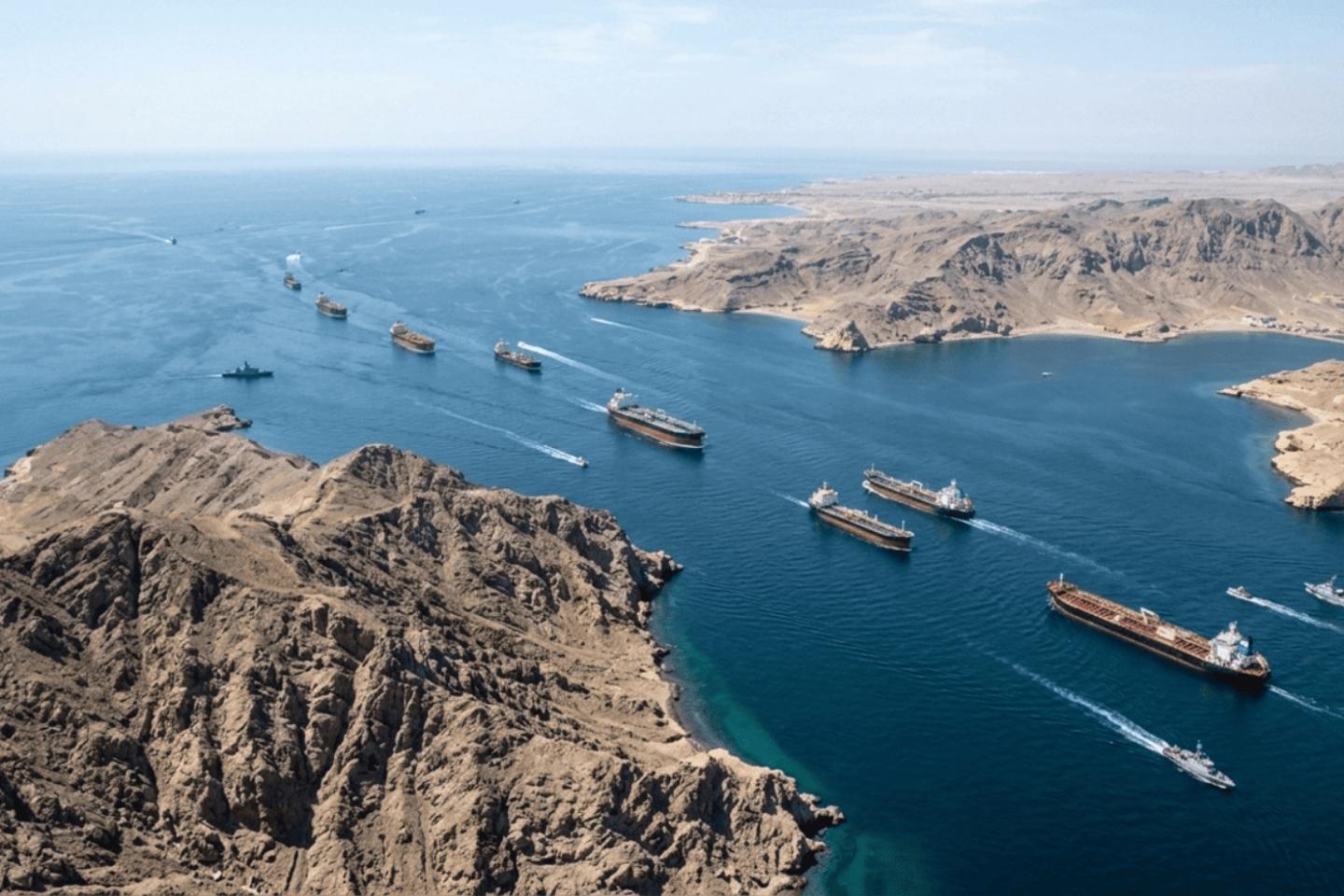
Trump Says Strait of Hormuz Cleared of Mines, Warns Iran

Shibbir Ahmed, WASHINGTON DC: President Donald Trump said Tuesday that the United States has cleared all naval mines from the international waters of the Strait of Hormuz, while warning Iran that any vessel attempting to place new mines in the strategically vital waterway would face an immediate military response.

Trump said the U.S. Navy had informed him that the mines had been removed or detonated from international waters in the strait. He also issued what he described as a “zero tolerance” warning against any attempt to lay new mines.

“Any vessel or boat putting mines in the International Waters of the Strait of Hormuz will be immediately and systematically destroyed,” Trump said in a Tuesday post on social media, according to reports. The announcement marks a significant development in the continuing confrontation between Washington and Tehran over control and security of the waterway, one of the world’s most important energy corridors.

U.S. military operation

The mine-clearance operation focused on the main international shipping lanes through the Strait of Hormuz. Axios reported that the U.S. military had been directing oil tankers through a southern lane near Oman while clearance operations were underway. Two U.S. officials confirmed that the mines had been removed from the main shipping channel.

Trump also said the U.S. Space Force was monitoring the entire strait, underscoring Washington’s determination to detect any renewed attempt to disrupt maritime traffic.

However, maritime-security authorities continue to warn that mine-related risks have not necessarily disappeared entirely. One industry report said danger areas remain active and that clearance operations are continuing despite Trump’s announcement.

Critical route for global energy

The Strait of Hormuz connects the Persian Gulf with the Gulf of Oman and the Arabian Sea. It is a crucial route for global oil shipments. According to Reuters, oil shipments through the strait have fallen to roughly 5 million barrels per day, compared with more than 20 million barrels per day before the conflict. Any renewed mining of the waterway could therefore have immediate consequences for international shipping, energy markets and oil prices.

Iran and Oman seek separate arrangement

The U.S. announcement comes as Iran and Oman are discussing arrangements for managing maritime traffic through the strait. The two countries are reportedly considering a phased traffic-management system, including a temporary navigation corridor and mine-clearance efforts.

The parallel diplomatic discussions suggest that, despite the U.S. military’s declaration that the international waters have been cleared, the broader question of how commercial shipping will safely operate through the waterway remains unresolved.

For Washington, maintaining freedom of navigation through Hormuz is also directly linked to global energy security. The White House has previously described reopening the strait and restoring free navigation as a central element of its agreement with Iran.

Trump’s latest warning makes clear that the administration intends to respond forcefully to any renewed attempt to threaten maritime traffic. The situation remains fluid as the United States, Iran and regional governments navigate the security and diplomatic consequences surrounding one of the world’s most strategically important waterways.


Oil tanker hit by projectile near Oman as Strait of Hormuz shipping risks rise

DUBAI: An oil tanker was struck and disabled by an unidentified projectile near the coast of Oman in the Strait of Hormuz, highlighting the growing risks facing commercial shipping as tensions surrounding the Iran conflict continue to disrupt one of the world’s most important energy corridors.

The United Kingdom Maritime Trade Operations (UKMTO) reported Tuesday that the tanker was hit Monday night a few miles off Oman’s eastern coast. The impact damaged the vessel’s engine and left it unable to continue normal operations. All crew members were reported safe, and there were no immediate reports of environmental damage.

The identity of the vessel and the exact source of the projectile were not immediately established. The incident comes amid a series of attacks and other maritime incidents in and around the Strait of Hormuz since the conflict between Iran and the United States and its regional partners intensified.

Strait of Hormuz under growing pressure

The Strait of Hormuz is a critical global shipping route connecting the Persian Gulf with the Gulf of Oman and the Arabian Sea. Any prolonged disruption could have consequences far beyond the Middle East, particularly for global oil and gas markets.

Commercial shipping through the waterway has already fallen sharply. Data cited by Reuters showed that tanker traffic has slowed dramatically following attacks on vessels, with many shipping companies increasingly concerned about the risks of navigating the strait.

On Monday, commodity-vessel traffic through the waterway reached a three-month low, with only a small number of tankers making the passage, according to shipping data. The latest tanker strike adds another layer of uncertainty for companies attempting to maintain operations through the strategic waterway.

No immediate environmental impact reported

Authorities said there was no immediate indication of an oil spill from the latest incident. That has provided some relief after previous maritime incidents in the region caused significant environmental concerns. A separate tanker grounding off Oman earlier this month resulted in a major oil spill that reached the country’s coastline, according to Omani authorities and international agencies. The possibility of additional tanker damage remains a major concern for shipping companies, insurers and governments monitoring the conflict.

Shipping companies face difficult choices

The continuing attacks have forced shipping companies to reassess whether vessels can safely use the Strait of Hormuz. Some vessels have reduced or delayed voyages, while others have sought alternative routes where possible. Shipping companies also face higher insurance costs and uncertainty over whether vessels can safely pass through the waterway. The decline in traffic is particularly significant because the Strait of Hormuz is a crucial route for energy shipments from Gulf producers.

The United States and Iran have exchanged threats during the conflict, while Iranian officials have repeatedly warned that escalation could affect shipping through the strait. Reuters reported that Iran has several options for increasing pressure on global energy markets, including further disruption of shipping routes.

Incident comes amid diplomatic efforts

The tanker incident occurred as Pakistan intensified diplomatic efforts to bring the United States and Iran back toward negotiations. Pakistan has been attempting to mediate between the two sides, with senior Pakistani officials holding talks in Tehran. The diplomatic efforts are aimed in part at reducing tensions and restoring safer navigation through the Strait of Hormuz.

The United States has also expanded economic sanctions against Iran, while Tehran has vowed to resist the new measures. The combination of increased economic pressure and continued maritime incidents has raised concerns that the conflict could remain volatile even as diplomatic efforts continue.

Global energy markets watching closely

Despite the latest tanker incident, oil prices fell Tuesday as investors assessed the impact of the latest U.S. sanctions and the possibility that diplomatic efforts could eventually reduce tensions. Reuters reported that Brent crude fell more than 3 percent to around $89 a barrel, while U.S. West Texas Intermediate crude also declined.

Analysts, however, continue to warn that any major disruption to the Strait of Hormuz could quickly change the outlook for global energy supplies. For now, the latest tanker strike underscores the fragile security environment in the Gulf. With commercial traffic already significantly reduced and diplomatic efforts still uncertain, shipping companies and energy markets remain highly sensitive to any new incident in or around the Strait of Hormuz.


Iran vows to resist new US sanctions as Pakistan pushes for renewed peace talks

Shibbir Ahmed, WASHINGTON DC/CAIRO: Iran has vowed to resist newly expanded U.S. economic sanctions aimed at cutting off its financial lifelines, while diplomatic efforts led by Pakistan are seeking to revive stalled negotiations between Washington and Tehran and prevent a further escalation of the conflict.

U.S. Treasury Secretary Scott Bessent announced a new package of sanctions on Monday targeting about 60 individuals, companies and vessels linked to Iran. Washington said countries and businesses that continue significant dealings with Iran could face restrictions that would threaten their access to the U.S. dollar-based financial system.

Iranian officials quickly rejected the measures and warned that Tehran would respond. Iranian Economy Minister Ali Madanizadeh said the country was prepared for the new sanctions and would use its own economic and other tools to counter the U.S. pressure campaign. Iranian officials have also warned that any further escalation could threaten American interests and critical energy routes in the region.

Pakistan steps up diplomatic efforts

At the same time, Pakistan has intensified efforts to bring the United States and Iran back to the negotiating table. Pakistan’s army chief, Field Marshal Syed Asim Munir, traveled to Tehran on Monday and met Iranian President Masoud Pezeshkian, Foreign Minister Abbas Araghchi and other senior officials.

Pakistan’s Interior Minister Mohsin Naqvi said Tuesday that the discussions had made “significant progress” and ended on a highly positive note. He said the talks focused on restoring an interim framework previously mediated by Pakistan and finding a path toward lasting peace.

The Pakistani military said the discussions addressed measures to prevent further escalation, the reopening of the Strait of Hormuz and ways to accelerate an end to the conflict. Iranian President Pezeshkian, however, called on Washington to change its approach toward Tehran.

Iranian state media quoted Pezeshkian as saying that the United States should abandon coercive tactics and change its tone in dealing with Iran, warning that pressure and intimidation could make the diplomatic process more difficult.

Washington signals interest in renewed talks

The diplomatic effort comes as the Trump administration seeks ways to end a conflict that has continued for nearly six months. According to Reuters, Pakistani officials said Munir delivered a message from Washington to Iranian officials after speaking with U.S. President Donald Trump the previous week. The exact contents of the message were not publicly disclosed.

The United States has simultaneously increased economic pressure on Tehran. The latest sanctions target individuals, entities and vessels connected to Iran’s economy and oil trade, while Washington has warned countries that continue doing business with Iran that they could face secondary sanctions.

The administration has so far avoided imposing the most severe measures against major Chinese financial institutions suspected of facilitating Iranian oil transactions, reflecting concerns about the broader impact on U.S.-China relations.

China rejects unilateral pressure

China, one of Iran’s most important trading partners and a major buyer of Iranian oil, has criticized Washington’s sanctions campaign. Beijing has said sanctions and unilateral pressure do not help resolve disputes and has indicated that it will take steps to protect its interests. The issue is particularly sensitive as Washington and Beijing prepare for further high-level engagement.

The decision by Washington to give countries and companies time to comply with the new sanctions also suggests that the administration is attempting to increase pressure on Iran without immediately triggering a wider confrontation with major trading partners.

Strait of Hormuz remains central to negotiations

The Strait of Hormuz remains one of the most urgent issues in the diplomatic efforts. The waterway is a crucial route for global energy shipments, and disruptions since the conflict began have created serious concerns for oil and gas markets.

Pakistan’s discussions with Iranian officials included efforts to reopen the Strait and restore freedom of navigation. Qatar has separately said its officials are speaking with the parties on a daily basis in an effort to revive U.S.-Iran negotiations. Doha has urged Iran to restore normal navigation through the waterway. Qatar’s Foreign Ministry said the crisis requires a regional solution rather than separate bilateral arrangements for individual countries seeking access through the Strait.

Diplomatic window remains uncertain

Despite the latest diplomatic activity, a breakthrough remains uncertain. The United States continues to demand significant changes from Iran, while Tehran has repeatedly rejected what it considers coercive demands. The two sides also remain deeply divided over security, Iran’s military capabilities and the future of its nuclear program.

Previous Pakistani mediation produced an interim agreement in June, but that arrangement later faltered amid renewed tensions and incidents involving shipping in the Gulf. For now, the combination of intensified U.S. sanctions and renewed diplomatic contacts has created a complicated picture: Washington is increasing economic pressure while simultaneously signaling interest in negotiations, and Pakistan and Qatar are working to create a diplomatic pathway back to talks.

Whether those efforts can produce a durable ceasefire and restore safe navigation through the Strait of Hormuz remains one of the most closely watched questions in the Middle East.


US prepares to send diplomats back to Middle East embassies after Iran war evacuations

Shibbir Ahmed, WASHINGTON DC: The United States is preparing to return diplomats to several American embassies across the Middle East that were evacuated before and during the war with Iran, a move that could signal Washington does not expect an immediate return to full-scale hostilities, according to an internal State Department document cited by The New York Times.

The return of Foreign Service officers and the gradual scaling back of emergency measures at U.S. diplomatic missions in the region could begin as early as this week, the report said. Reuters, which reviewed the report, said it was not immediately able to independently verify the information, while the State Department did not immediately respond to a request for comment outside regular business hours.

The diplomatic missions expected to restore higher staffing levels are in Israel, Lebanon, Saudi Arabia, Qatar, Jordan, Oman, Iraq and Kuwait, according to the reported State Department document.

The move comes after months of heightened tensions and military confrontation involving the United States and Iran. Washington had reduced staffing at several diplomatic posts and authorized the departure of non-emergency personnel and family members as the security situation deteriorated.

Lebanon among first missions to receive diplomats

According to the document cited by the Times, the first diplomats returning to the region are expected to be assigned to the U.S. Embassy in Lebanon. However, the mission would initially operate below its normal staffing level. The staffing plan calls for a gradual restoration of personnel rather than an immediate return to pre-conflict levels.

The U.S. embassies in Israel, Jordan and Oman are ultimately expected to return to full staffing, while other missions would continue to operate under temporary limits. Under the reported plan, diplomatic posts in the United Arab Emirates, Saudi Arabia, Qatar and Lebanon would initially be capped at about 85 percent of their normal staffing levels. Missions in Iraq, Kuwait and Bahrain would initially operate at approximately 75 percent of normal staffing.

State Department cites security assessments

The State Department, in a statement quoted by The New York Times, said it continually reviews security conditions at U.S. diplomatic missions around the world. The department said staffing decisions are being adjusted based on the latest security assessments, with the dual objective of maintaining the ability to advance U.S. foreign-policy goals while protecting American diplomatic personnel.

The planned redeployment therefore does not necessarily mean Washington considers the Middle East fully secure. Instead, the gradual return suggests U.S. officials believe conditions at some locations have improved enough to allow a larger diplomatic presence.

Evacuations began amid rising tensions with Iran

The reduction in diplomatic staffing began earlier this year as tensions with Iran intensified. Washington authorized voluntary departures of non-emergency personnel and family members from certain U.S. diplomatic missions amid concerns about possible attacks and the wider regional consequences of the conflict.

The security situation subsequently led to evacuations and emergency measures at multiple American missions across the region. The United States has maintained a substantial military and diplomatic presence in the Middle East despite the conflict, while continuing to monitor threats to American personnel and facilities.

Return does not mean risks are over

The planned return of diplomats is being viewed as an indication that Washington currently does not anticipate an immediate escalation into another period of large-scale fighting with Iran. However, the security environment remains volatile. The United States continues to assess threats to its personnel, diplomatic facilities and military assets throughout the region.

The timing of the redeployment is also significant because Washington and Tehran remain engaged in a broader confrontation involving military, diplomatic and economic pressure. Iran has continued to reject aspects of U.S. pressure while signaling openness to renewed negotiations under certain conditions.

The Trump administration on Monday also expanded sanctions targeting Iranian individuals, entities and vessels, while Iranian officials vowed to resist the new measures. Reuters reported Tuesday that Pakistan has been involved in efforts to convey messages between Washington and Tehran as discussions over a possible return to negotiations remain under consideration.

For Washington, restoring diplomatic staffing could therefore serve two purposes: allowing U.S. embassies to resume more normal operations while maintaining the diplomatic infrastructure needed to respond to rapidly changing developments in the region.

The State Department’s decision to increase staffing gradually, rather than immediately restore all positions, underscores that U.S. officials continue to view security conditions as a significant concern.


After 47 Years, U.S. Removes Syria from State Sponsors of Terrorism List

Shibbir Ahmed, Washington, D.C.: After 47 years, the United States has officially removed Syria from its State Sponsors of Terrorism list. The decision by the U.S. administration on Monday marks the end of a major chapter in the special terrorism-related restrictions imposed on Syria since the country was placed on the list in 1979.

U.S. Secretary of State Marco Rubio said the decision was based on steps taken by Syria to distance itself from international terrorism. Washington’s move is being viewed as an important step toward rebuilding relations with Syria and helping the country reintegrate into the international economic system.

Syria was designated a State Sponsor of Terrorism in 1979. The designation subjected the country to various U.S. economic and trade restrictions and created significant legal and compliance risks for international banks and investors seeking to conduct business with Syria.

The latest decision is expected to improve Syria’s prospects for reintegration into the international financial system. After years of civil war, Syria’s new leadership has sought relief from U.S. restrictions in an effort to attract foreign investment and support reconstruction and economic recovery.

According to Reuters, the U.S. decision could remove one of the major obstacles facing international banking and investment involving Syria. Several major financial institutions have already shown interest in potential activities in the Syrian market.

On the same day, the United States also took another significant terrorism-related step involving Syria. Washington revoked the designation of the Nusrah Front as a Specially Designated Global Terrorist organization. The group later became known as Hayat Tahrir al-Sham (HTS).

However, removing Syria from the State Sponsors of Terrorism list does not mean that all U.S. sanctions against the country have been lifted. Syria’s security situation remains a concern, and the U.S. State Department continues to maintain its highest level of travel warning for the country.

Relations between Damascus and Washington have changed significantly in recent months under Syrian President Ahmed al-Sharaa. Following the fall of former President Bashar al-Assad, U.S. engagement with Syria’s new leadership has increased.

After 47 years, Washington’s decision to remove Syria from the State Sponsors of Terrorism list therefore represents more than the lifting of one designation. It could also signal a significant shift in U.S. diplomatic and economic policy toward Syria and the broader Middle East.