Moyeen Seeks Stronger World Bank Support for Bangladesh Development

DHAKA – LGRD and Cooperatives Minister Dr Abdul Moyeen Khan has expressed hope that the World Bank will further strengthen its support for the country’s sustainable development and improvement of people’s quality of life. He said various government initiatives are underway in important areas such as water supply, sanitation, rural development and addressing the impacts of climate change.

Continued support from development partners is necessary to make these activities more effective and sustainable, he said when World Bank Division Director for Bangladesh and Bhutan Jean Pesme paid a courtesy call on him at his office at the Secretariat today.

Various issues including the World Bank’s support for various ongoing development projects in Bangladesh, water supply and sanitation systems, rural development, climate change and local government sector were discussed.

The minister said the government and development partners need to work in coordination to accelerate and sustain the country’s development activities. He said WB support could play an important role in strengthening the capacity of the local government sector and ensuring quality civic services reach people at their doorsteps.

The minister expressed gratitude for the World Bank’s longstanding support for Bangladesh’s development journey and hoped that the bank would continue its support for the country’s key development initiatives in the future.

During the exchange of views, emphasis was placed on further strengthening the existing cooperation between Bangladesh and the World Bank. LGD Md Shahidul Hassan, senior officials from the ministry and the WB were present at the meeting.


Nearly 600,000 Jobs at Risk in Bangladesh: World Bank

Shibbir Ahmed, Washington DC: Nearly 600,000 jobs in Bangladesh could be at risk if the economic fallout from the ongoing Middle East conflict persists, according to a World Bank assessment. The warning comes as Bangladesh faces rising fuel prices, severe gas shortages, disruptions to fertilizer production and growing pressure on industries and household incomes.

The World Bank’s mid-June assessment, prepared as part of a proposed Contingent Emergency Response Project, said the conflict could significantly weaken Bangladesh’s economic recovery and slow the pace of poverty reduction.

The assessment estimates that the number of people expected to move out of poverty in 2026 could fall from around 1.7 million to about 500,000 because of the conflict. Bangladesh had already been facing rising poverty. The World Bank estimated that the number of poor people increased by about 1.4 million in 2025, as weak job creation, slow growth in labor incomes and persistent inflation reduced the poverty-reducing impact of economic growth.

Energy crisis adds to pressure

The energy sector is among the areas most severely affected. Natural gas accounts for more than half of Bangladesh’s primary energy supply, while domestic gas production has fallen significantly from its 2016 peak. The country also relies heavily on the Middle East for imported energy, sourcing about 60–65% of its crude oil and 55–60% of its LNG from the region.

The conflict has disrupted LNG supplies, with five of Petrobangla’s six LNG supply contracts reportedly placed under force majeure. Spot LNG prices have risen to around $24–$28 per million British thermal units (MMBtu), more than double their previous level.

Higher energy costs are also expected to put additional pressure on inflation. The World Bank assessment said that passing higher energy prices on to consumers could increase inflation by more than 0.5 percentage points, with further effects on food and non-food prices.

Fertilizer production disrupted

Bangladesh’s agriculture sector is also vulnerable to the crisis. Gas shortages have forced five of the country’s six domestic urea fertilizer plants to suspend production, while international urea prices have increased by around 30%. The World Bank warned that fertilizer prices could potentially rise much further if the disruption continues, increasing production costs for farmers and putting additional pressure on food prices.

Smallholder farmers, who represent a significant share of Bangladesh’s population, could be particularly exposed to higher input costs and supply disruptions.

Industries and workers under pressure

The energy crisis is also affecting industrial activity. Factory operating hours, production and new industrial gas connections have reportedly been affected, while some businesses have faced rising operating costs.

The World Bank’s projection of nearly 600,000 jobs at risk reflects the broader economic consequences of higher energy costs, supply disruptions, weaker production and inflation. Economists have also pointed to signs of the crisis already appearing in the labor market, including factory closures, reduced working hours and job losses.

Government finances face additional strain

The crisis could also increase pressure on Bangladesh’s public finances. Higher energy subsidies could substantially increase government expenditure, potentially reducing the fiscal space available for social protection and emergency programs, according to the World Bank assessment.

The World Bank has already approved $1.1 billion in emergency financing for Bangladesh to help protect food security, support vulnerable households and businesses, and address volatility in global fertilizer and fuel markets.

Risk, not a confirmed job-loss figure

The World Bank’s figure of nearly 600,000 should be understood as a projection of potential job losses if the crisis continues, rather than a confirmed number of workers who will definitely lose their jobs.

The final impact will depend on how long the Middle East conflict lasts, global energy and fertilizer prices, supply conditions and Bangladesh’s ability to manage the economic shock. For Bangladesh, however, the warning highlights the vulnerability of an economy already struggling with inflation, weak job creation and limited fiscal space.

Source: World Bank assessment on Bangladesh’s proposed Contingent Emergency Response Project.


Trump’s Debt-Limit Strategy Faces Uphill Battle as Bond Market Worries Grow

Shibbir Ahmed, WASHINGTON DC: President Donald Trump’s effort to raise the federal borrowing limit is facing political and financial challenges as concerns over the rapidly growing U.S. national debt continue to weigh on investors and the bond market.

The Trump administration is seeking to avoid a potentially disruptive fight over the federal debt limit, but winning congressional support could prove difficult. Republicans would need broad support within their own party, while Democrats are likely to demand concessions in exchange for backing an increase.

The political uncertainty comes at a sensitive moment for U.S. financial markets. The nation’s total federal debt has surpassed $40 trillion, while investors are increasingly focused on the government’s large budget deficits and the rising cost of servicing the debt.

Bond market adds pressure

The debt-limit debate is unfolding as the U.S. Treasury market faces renewed pressure. Long-term Treasury yields have remained elevated, increasing the government’s cost of borrowing and raising concerns about how much additional debt investors are willing to absorb.

Treasury Secretary Scott Bessent has taken unusual steps to support the bond market, including increasing purchases of longer-term Treasury securities. The strategy is intended to help lower long-term borrowing costs, but investors have questioned whether government intervention can overcome the underlying fiscal pressures.

Recent market developments have also highlighted growing sensitivity to inflation, government borrowing and the future direction of Federal Reserve policy. The 10-year Treasury yield was recently around 4.65%, while investors continued to watch for signals from Federal Reserve Chair Kevin Warsh.

Why the debt limit matters

The federal debt limit is the maximum amount the U.S. government is authorized to borrow to meet obligations already approved by Congress. Importantly, raising the limit does not itself authorize new government spending. It allows the Treasury to continue financing existing legal obligations, including Social Security and Medicare payments, military salaries, tax refunds and interest on previously issued federal debt.

Failure to raise the limit could eventually prevent the government from meeting some of its financial obligations, creating severe consequences for financial markets and the broader economy.

A growing fiscal challenge

The debt-limit debate comes as Washington faces a broader fiscal problem. The U.S. budget deficit remains historically large, while interest payments on the national debt are consuming an increasing share of federal resources.

Reuters reported that investors are beginning to reassess long-term assumptions about U.S. government debt as persistent deficits and rising borrowing needs put additional pressure on the Treasury market.

The Trump administration has been looking for ways to reduce borrowing costs and address the government’s fiscal position, but there is no easy solution. Spending reductions, revenue increases and stronger economic growth have all been discussed, but each carries significant political and economic risks.

Markets watching Washington

For investors, the immediate concern is not simply whether Congress will eventually approve a higher borrowing limit. Markets are also watching whether Washington can demonstrate a credible strategy for controlling deficits and stabilizing the nation’s debt trajectory. That makes the coming debt-limit debate potentially more consequential than a routine congressional vote. With the national debt already above $40 trillion and long-term Treasury yields under pressure, investors are likely to remain highly sensitive to political developments in Washington.

For the Trump administration, the challenge is therefore twofold: secure congressional support for additional borrowing authority while convincing financial markets that the United States remains committed to maintaining confidence in its Treasury market.


Canada Escalates Trade Fight With New Tariffs on U.S. Goods

Shibbir Ahmed, New York: Canada is escalating its trade fight with the United States, announcing new retaliatory tariffs of up to 50 percent on hundreds of American products as tensions between the two longtime allies continue to worsen.

The Canadian government said Tuesday that the new measures will target approximately $20 billion worth of U.S. imports and will take effect on September 8. The tariffs are being imposed in response to new U.S. tariffs on Canadian goods that took effect after trade negotiations between the two countries broke down.

The Canadian counter-tariffs will range from 15 percent to 50 percent, depending on the product. Items affected include steel, aluminum, dairy products, seafood, furniture, clothing, electronics, machinery and other American-made goods.

Canada strikes back

The move represents a significant escalation in the dispute between Washington and Ottawa. The United States recently imposed a 50 percent tariff on $27.6 billion of Canadian goods, effective August 22. Canada said its response was designed to match the value of the new American measures while protecting Canadian businesses and workers.

Canadian Finance Minister François-Philippe Champagne said the government is taking targeted action while providing support to companies and workers affected by the trade conflict. Canada has also announced measures to help businesses maintain liquidity and adjust to the changing trade environment.

Hundreds of U.S. products targeted

According to the Canadian government, the new tariffs will cover products selected from categories targeted by recent U.S. trade measures. The rates will be 15 percent, 25 percent or 50 percent, depending on the product. The measures are expected to affect about 4.5 percent of Canada’s imports from the United States, based on 2024 trade figures.

Canadian officials say the government wants to protect domestic industries while keeping pressure on Washington to reconsider its tariff policies. The government has also introduced a support package for Canadian businesses and workers affected by the dispute, including financial assistance intended to help companies manage higher costs and disruptions to supply chains.

Growing economic pressure

The escalating tariff battle threatens to raise costs for businesses and consumers on both sides of the border. American industries that rely heavily on the Canadian market could face reduced exports, while Canadian companies dependent on U.S. goods may encounter higher costs. Economists have also warned that prolonged tariffs could disrupt North American supply chains and increase prices.

The dispute is particularly significant because Canada and the United States maintain one of the world’s largest bilateral trading relationships. The latest escalation comes as President Donald Trump continues to criticize Canada over trade and other political issues. Trump has also threatened additional tariffs on Canadian automobiles, adding to uncertainty for manufacturers and workers on both sides of the border.

Relations reach a new low

The latest tariff measures come after negotiations between Washington and Ottawa failed to produce an agreement. Canadian Prime Minister Mark Carney has indicated that Canada remains willing to return to negotiations, but Ottawa has also made clear that it is prepared to defend Canadian economic interests.

The worsening dispute has created uncertainty for businesses, farmers, manufacturers and exporters throughout North America. With Canada’s new tariffs scheduled to take effect September 8, pressure is now building on both governments to find a way to prevent the trade conflict from becoming even more damaging. The latest measures mark another major step in the deepening U.S.-Canada trade dispute and raise fresh concerns about prices, jobs and supply chains across North America.


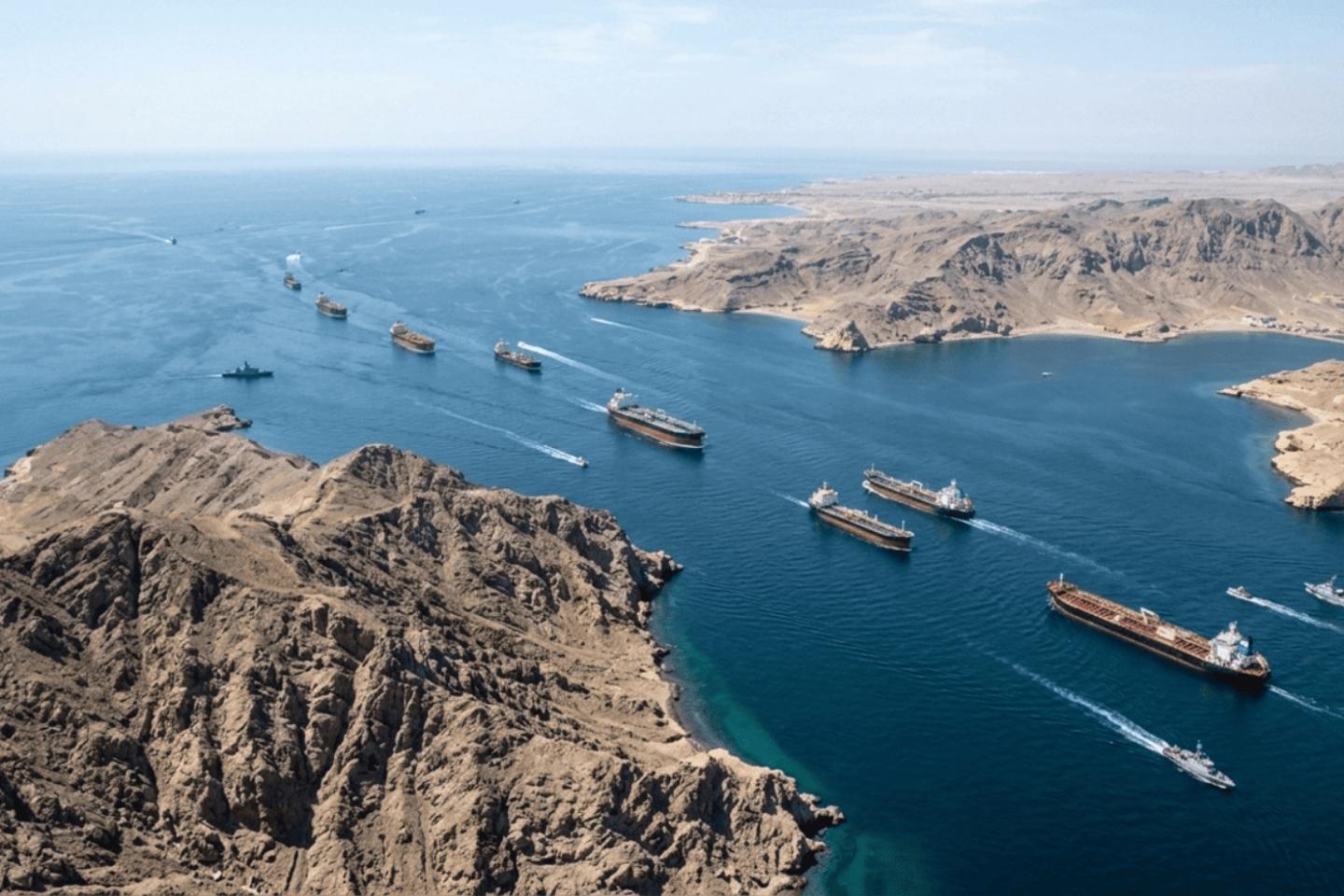
Oil tanker hit by projectile near Oman as Strait of Hormuz shipping risks rise

DUBAI: An oil tanker was struck and disabled by an unidentified projectile near the coast of Oman in the Strait of Hormuz, highlighting the growing risks facing commercial shipping as tensions surrounding the Iran conflict continue to disrupt one of the world’s most important energy corridors.

The United Kingdom Maritime Trade Operations (UKMTO) reported Tuesday that the tanker was hit Monday night a few miles off Oman’s eastern coast. The impact damaged the vessel’s engine and left it unable to continue normal operations. All crew members were reported safe, and there were no immediate reports of environmental damage.

The identity of the vessel and the exact source of the projectile were not immediately established. The incident comes amid a series of attacks and other maritime incidents in and around the Strait of Hormuz since the conflict between Iran and the United States and its regional partners intensified.

Strait of Hormuz under growing pressure

The Strait of Hormuz is a critical global shipping route connecting the Persian Gulf with the Gulf of Oman and the Arabian Sea. Any prolonged disruption could have consequences far beyond the Middle East, particularly for global oil and gas markets.

Commercial shipping through the waterway has already fallen sharply. Data cited by Reuters showed that tanker traffic has slowed dramatically following attacks on vessels, with many shipping companies increasingly concerned about the risks of navigating the strait.

On Monday, commodity-vessel traffic through the waterway reached a three-month low, with only a small number of tankers making the passage, according to shipping data. The latest tanker strike adds another layer of uncertainty for companies attempting to maintain operations through the strategic waterway.

No immediate environmental impact reported

Authorities said there was no immediate indication of an oil spill from the latest incident. That has provided some relief after previous maritime incidents in the region caused significant environmental concerns. A separate tanker grounding off Oman earlier this month resulted in a major oil spill that reached the country’s coastline, according to Omani authorities and international agencies. The possibility of additional tanker damage remains a major concern for shipping companies, insurers and governments monitoring the conflict.

Shipping companies face difficult choices

The continuing attacks have forced shipping companies to reassess whether vessels can safely use the Strait of Hormuz. Some vessels have reduced or delayed voyages, while others have sought alternative routes where possible. Shipping companies also face higher insurance costs and uncertainty over whether vessels can safely pass through the waterway. The decline in traffic is particularly significant because the Strait of Hormuz is a crucial route for energy shipments from Gulf producers.

The United States and Iran have exchanged threats during the conflict, while Iranian officials have repeatedly warned that escalation could affect shipping through the strait. Reuters reported that Iran has several options for increasing pressure on global energy markets, including further disruption of shipping routes.

Incident comes amid diplomatic efforts

The tanker incident occurred as Pakistan intensified diplomatic efforts to bring the United States and Iran back toward negotiations. Pakistan has been attempting to mediate between the two sides, with senior Pakistani officials holding talks in Tehran. The diplomatic efforts are aimed in part at reducing tensions and restoring safer navigation through the Strait of Hormuz.

The United States has also expanded economic sanctions against Iran, while Tehran has vowed to resist the new measures. The combination of increased economic pressure and continued maritime incidents has raised concerns that the conflict could remain volatile even as diplomatic efforts continue.

Global energy markets watching closely

Despite the latest tanker incident, oil prices fell Tuesday as investors assessed the impact of the latest U.S. sanctions and the possibility that diplomatic efforts could eventually reduce tensions. Reuters reported that Brent crude fell more than 3 percent to around $89 a barrel, while U.S. West Texas Intermediate crude also declined.

Analysts, however, continue to warn that any major disruption to the Strait of Hormuz could quickly change the outlook for global energy supplies. For now, the latest tanker strike underscores the fragile security environment in the Gulf. With commercial traffic already significantly reduced and diplomatic efforts still uncertain, shipping companies and energy markets remain highly sensitive to any new incident in or around the Strait of Hormuz.


U.S. Debt Tops $40 Trillion, Trump Bets on Economic Growth

Shibbir Ahmed, Washington, D.C.: The U.S. national debt has surpassed $40 trillion for the first time, marking an unprecedented level of government indebtedness. To ease the burden of the massive debt, President Donald Trump’s administration is placing greater emphasis on rapid economic growth. Economists and financial-market analysts, however, are questioning whether economic growth alone can realistically reduce such a huge debt burden.

According to data from the U.S. Treasury Department, the national debt now exceeds $40 trillion. Of that amount, approximately $32.3 trillion is debt held by the public, while another $7.8 trillion is held by government accounts and trust funds.

Treasury Secretary Scott Bessent has argued that the United States must rely on economic growth to help manage its mounting debt. The administration’s reasoning is that if the economy grows rapidly, the debt-to-GDP ratio could decline while stronger economic activity could also generate higher government revenues.

Economists, however, remain skeptical of the strategy. They argue that given the size of the current federal budget deficit, rising interest costs and structural pressures on government spending, it will be extremely difficult to resolve the debt problem through economic growth alone.

As U.S. debt continues to rise, so does the government’s cost of servicing that debt. Interest payments have become one of the largest components of federal spending. The growing interest burden could put additional pressure on funding for education, healthcare, infrastructure and other government programs in the years ahead.

The mounting debt is also affecting the U.S. bond market. Yields on long-term U.S. Treasury securities have risen, potentially increasing the government’s cost of borrowing. Market analysts say that lowering interest rates alone will not solve the problem; Washington also needs a credible long-term strategy to reduce budget deficits.

Critics of the Trump administration’s growth-focused strategy warn that if economic growth does not outpace the growth of the national debt, the debt burden could continue to increase rather than decline. A recent analysis by economists cautioned that, given the current deficit and rising interest costs, relying solely on economic growth to overcome a $40 trillion debt burden would be extremely difficult.

The milestone comes at a time when the U.S. government is simultaneously facing major decisions involving trade policy, defense spending, taxation and Social Security programs. As a result, controlling the national debt could become one of Washington’s biggest economic challenges in the years ahead.

Analysts say that in addition to promoting economic growth, the United States will need to control government spending, increase revenues and implement measures to reduce the long-term budget deficit if it hopes to slow the continued rise in national debt.


U.S. National Debt Surpasses $40 Trillion

Shibbir Ahmed, Washington DC: The United States’ national debt has surpassed the $40 trillion mark for the first time, reaching approximately $40.047 trillion on Wednesday, according to the latest data from the U.S. Treasury Department. The historic milestone underscores the scale of the U.S. government’s accumulated debt and is renewing concerns over the country’s long-term fiscal stability.

According to Treasury data, about $32.266 trillion of the total debt is debt held by the public, while approximately $7.782 trillion consists of intragovernmental holdings—amounts owed by one government account or agency to another.

Debt More Than Doubles in Less Than a Decade

The U.S. national debt has increased at an extraordinary pace over the past decade. When Donald Trump first took office as president in 2017, the national debt stood at approximately $19.95 trillion. It has now more than doubled, surpassing $40 trillion.

Economists say no single administration is responsible for the rapid increase. Massive government spending during the COVID-19 pandemic, persistent federal budget deficits, tax cuts and rising spending on major entitlement programs have all contributed to the growth of the national debt. The debt increased substantially during both the Trump and Joe Biden administrations.

Rising Interest Costs Add to Fiscal Pressure

Beyond the size of the debt itself, the cost of servicing it has become a major concern for the U.S. government. According to Reuters analysis, interest payments on the federal debt have become one of the largest components of federal spending and have surpassed spending on Medicare, ranking behind Social Security among the government’s largest expenditures.

Economists warn that interest costs could rise further as older debt is refinanced at higher interest rates. This could limit the government’s ability to allocate resources to areas such as education, infrastructure, defense and other public programs.

Large July Budget Deficit

The latest milestone comes amid continuing large federal budget deficits. According to Reuters, the U.S. government recorded a budget deficit of approximately $432 billion in July alone, one of the largest monthly deficits in the country’s history.

Rising spending on Social Security and Medicare, along with lower-than-expected revenue from tariffs and other sources, contributed to the large shortfall.

Trump Policies Could Add Further to Debt

Concerns are also growing over the potential impact of the Trump administration’s recent tax and spending policies. According to Reuters, President Trump’s widely discussed “One Big Beautiful Bill Act” could add approximately $4.7 trillion to the national debt over the coming years, based on estimates cited in the report.

Economists and budget watchdogs warn that continued growth in federal debt could reduce the government’s fiscal flexibility. It could also make it more difficult for Washington to respond to future economic downturns, inflationary pressures or other national emergencies.

Investor Concerns Grow

The growing national debt is also putting pressure on the U.S. government bond market. Yields on long-term Treasury securities have recently reached multi-year highs as investors demand higher returns to hold long-term U.S. government debt.

On Wednesday, the Treasury Department announced plans to increase its long-term Treasury bond buyback operations. The size of individual operations is expected to increase from about $2 billion to at least $4 billion.

Following the announcement, yields on long-term U.S. government bonds declined somewhat, while global bond markets also reacted positively.

Global Economic Implications

U.S. Treasury securities are widely regarded as among the safest and most important financial assets in the world. As a result, major changes in the U.S. debt and Treasury markets can have consequences far beyond American financial markets.

High government debt, inflation concerns and geopolitical tensions have recently contributed to higher long-term government bond yields in several countries.

Reuters reported that following the latest Treasury action, long-term European bond yields also declined somewhat. At the same time, the U.S. dollar came under pressure while gold prices rose sharply.

A Major Fiscal Challenge Ahead

The crossing of the $40 trillion threshold is more than a statistical milestone for the United States. It reflects decades of federal budget deficits and growing reliance on government borrowing.

Budget analysts warn that if the current pace of debt accumulation continues, Washington could face increasingly limited fiscal flexibility. Borrowing could also become more expensive, particularly during periods of economic stress.

The ultimate impact of the $40 trillion debt level will depend on several factors, including economic growth, interest rates, government spending, tax revenues and the fiscal policies adopted by future administrations.

But the historic milestone has already renewed international debate over the sustainability of U.S. government finances and the future management of the world’s largest sovereign debt.


Where does garment industry stand now in Bangladesh!

Shaikh Shahrukh: Thirteen years after the Rana Plaza collapse reshaped Bangladesh’s ready-made garment sector, the industry has undergone sweeping changes — safer factories, stricter compliance and global recognition for green manufacturing. Yet beneath these gains lies a more complex reality: workers still face pressure on the factory floor, survivors continue to struggle with long-term hardship, and manufacturers are grappling with rising costs and financial strain. Workers across major industrial hubs say workplace safety has improved significantly since the 2013 disaster.

“Now there are fire exits, and we have regular drills,” said a female worker in Narayanganj. But concerns remain. “The production pressure is still very high. If we fail to meet targets, wages can be deducted,” she added. A worker in Gazipur said union activities remain sensitive in some factories. “There is always fear of losing jobs,” he said. Others noted that while safety awareness has increased, preparedness during real emergencies still needs improvement.

“Before Rana Plaza, we didn’t even know what a fire exit was. Now we get training, but in a real situation, not everyone can respond properly,” another worker said. For factory owners, the transformation has required heavy financial investment. “After Rana Plaza, entrepreneurs had to invest heavily to ensure safety,” said Faiz Ahmed Khan, managing director of Haseen Kayaba Group.

While necessary, he said, these investments have not been matched by higher prices from international buyers. “Many factories took bank loans to upgrade compliance. Those liabilities still remain,” he said.

Ahsanul Russel, managing director of Tua Ha Textile Mills Ltd, echoed the concern. “We carried out extensive renovations to meet compliance standards. But order prices did not increase accordingly,” he said, adding that many factories are still repaying loans taken during that period. Industry insiders say smaller factories were particularly vulnerable, with many unable to survive the financial shock.

One of the most visible outcomes of post-Rana Plaza reforms has been the growth of environmentally sustainable factories. Bangladesh now has more than 210 LEED-certified green garment factories, many with top-tier Platinum and Gold ratings—the highest number in the world. These facilities incorporate energy-efficient systems, water recycling and environmentally friendly designs, marking a shift toward sustainable production. Before 2013, only a handful of factories met such standards.

However, industry leaders say green transformation has also increased production costs without ensuring better returns. “Compliance and sustainability have improved our global reputation,” said Fazlul Hoque, managing director of Plummy Fashions Ltd and former BKMEA president. “But production costs have risen sharply, while buyers continue to negotiate lower prices,” he added.

In the aftermath of the collapse, international initiatives such as the Accord and the Alliance carried out extensive inspections, focusing on structural, electrical and fire safety. Factories were required to reinforce buildings, upgrade electrical systems and introduce modern fire safety measures, including sprinkler systems and emergency drills. These reforms significantly improved safety standards across the sector. But they also raised the cost of doing business.

Industry estimates suggest that between 2,000 and 2,500 garment factories have closed over the past decade. Key factors include high compliance costs, shrinking profit margins, rising utility expenses and intense global competition. A factory owner in Gazipur said compliance upgrades alone cost between $700,000 and $800,000.

“Buyers did not increase prices. Loans went up, profits declined, and many factories could not survive,” he said, requesting anonymity. Manufacturers say pricing pressure from international buyers remains a major challenge, with some buyers continuing to negotiate aggressively despite demanding higher compliance standards.

Compared to the pre-2013 period, the industry now operates under stricter regulations, higher costs and tighter margins. Safety investment has increased, but so have operational challenges—from energy shortages to persistent loan burdens. Thirteen years on, Bangladesh’s garment sector stands as both a success story of reform and a reminder of unresolved pressures. While factories are safer and more sustainable, workers, survivors and business owners alike say the journey toward a fully balanced and resilient industry is still far from complete.


Power supply slashed, daytime load shedding surges to 8–9 hours nationwide

District towns across Bangladesh are experiencing acute power outages as global energy supplies continue to be disrupted due to ongoing conflict in the Middle East. The situation has led to a sharp decline in electricity generation, with supply in many areas dropping to nearly half of the demand. In several regions, load shedding has taken a severe turn, with outages exceeding 10 hours a day.

On Thursday, power distribution companies struggled to maintain supply from morning until evening. Although scheduled outages were supposed to last one hour in different areas, the nationwide average exceeded two hours. Outside Dhaka, the situation is particularly dire, with some areas facing power cuts lasting eight to nine hours daily.

In Chittagong, residents are enduring daily power cuts ranging from seven to eight hours, severely disrupting normal life amid intense heat. Industrial production has also been affected. Rural areas are facing even worse conditions than the city, with electricity available for less than 10 hours out of 24.

Md Rafique, a resident of the Shangeet Residential Area under Panchlaish thana, told, “Load shedding has become unbearable over the past few days. Power goes out 10 to 12 times daily, and once it goes, it returns after about two hours. We are without electricity for at least seven to eight hours a day. In this heat, the situation has become intolerable and needs urgent resolution.”

Responding to the situation, Md Akbar Hossain, assistant director (Public Relations) of the Bangladesh Power Development Board (BPDB) in Chittagong, said that electricity distribution in Chattogram, the three hill districts, and Cox’s Bazar is managed from the Agrabad office.

“For the past four to five days, Chittagong has been experiencing load shedding of six to seven hours daily. During off-peak hours, outages reach up to 111 megawatts, but during peak hours, the situation worsens due to higher demand,” he said.

According to BPDB sources, peak hours typically run from 5:00 pm to 11:00 pm, when electricity demand is at its highest. Off-peak hours span from 11:00 pm to 5:00 pm the following day, when demand remains comparatively lower. However, the intensity of load shedding has been significantly higher during peak hours.

A report published on April 15 by the Chittagong Power Development Board revealed a significant gap between electricity demand and supply. On that day, power demand during off-peak hours stood at 1,384.09 megawatts, while peak-hour demand reached 1,432.73 megawatts. In contrast, load shedding amounted to 111.09 megawatts during off-peak hours and rose to 170.73 megawatts during peak hours.

Meanwhile, residents of Barisal are enduring prolonged power outages, with load shedding lasting five to six hours within a 24-hour period. The situation has left city dwellers struggling to cope with the intense heat, while business owners report mounting financial losses.

According to sources at the 33 kV substation control room in Rupatali, the combined daily electricity demand in Barisal and Jhalokathi ranges between 90 and 95 megawatts. However, only around 42 megawatts are being supplied. As a result, authorities are compelled to implement at least six hours of load shedding daily, with outages more frequent during peak hours.

Residents, including Mizanur Rahman of Kaunia and Sadeq Hossain of Circular Road, expressed frustration over the worsening situation. They said that as temperatures rise, power outages have increased, causing severe inconvenience to families. Nighttime outages, in particular, have made it difficult for children to sleep, adding to the overall hardship.

Business owners are facing even greater challenges. Traders from Chawk Bazar, including Minal Kanti Saha and Mohammad Shahin, said that due to the electricity crisis, the government has instructed shops to close by 6:00 pm. While they are complying with the directive, frequent outages between 9:00 am and 6:00 pm, often occurring four times a day, are severely affecting their operations. Each outage typically lasts over an hour, discouraging customers during crucial business hours. As a result, many traders are struggling to cover daily expenses.

They also expressed concern over the lack of clear information regarding when the situation might improve, alleging that authorities have not provided definite assurances.

When contacted, Manjur Kumar Swarnakar, executive engineer of Barisal Power Sales and Distribution Division-1, told that his area has a demand of 78.5 megawatts but is receiving only 50 megawatts of electricity supply. “Under these circumstances, we are left with no option but to resort to load shedding,” he said.

Executive Engineer Manjurul Islam of Barisal Electricity Sales and Distribution Division-2 said the demand in his jurisdiction stands at 39 MW, while only 21 MW is being supplied. “Under these circumstances, we have no option but to implement load shedding,” he told.

Echoing similar concerns, Akhteruzzaman Palash, executive engineer of the Barisal 33 kV substation, said they are receiving less than half of the required electricity. “As a result, we are compelled to enforce load shedding for five to six hours daily,” he added.

In the Mymensingh zone—comprising Mymensingh, Jamalpur, Netrokona, Sherpur, Tangail, and Kishoreganj—the daily electricity demand is around 1,075 MW. However, only 750 MW is being supplied, leaving a deficit of up to 325 MW. Officials say this shortfall is causing four to five hours of daily load shedding, with rural areas experiencing nearly double that duration.

Masudul Haque, executive engineer of Power Grid Bangladesh PLC in Mymensingh, noted that the extent of load shedding fluctuates throughout the day. “It is comparatively lower during off-peak hours and increases during peak demand periods,” he said.

He further explained that the Mymensingh Power Station, with a capacity of 210 MW, is currently generating only 30 MW due to gas shortages. Likewise, the United Jamalpur and United Mymensingh power plants, which have a combined capacity of 315 MW, are producing just 67 MW amid a shortage of furnace oil. The situation has been exacerbated by a recent hike in furnace oil prices by Tk 24.59 per litre. In addition, electricity supply from major plants, including Ashuganj, Sirajganj, and Bibiyana, has declined.

However, Engineer Abul Kalam, assistant chief engineer of the Bangladesh Power Development Board in Mymensingh, claimed that load shedding remains minimal. He attributed frequent outages in rural areas to weather-related disruptions. “Storms and rainfall often cause trees to fall on power lines, leading to temporary outages. Restoration efforts take time, which may create the impression of increased load shedding,” he said.

Residents, however, paint a different picture. Abdullah, a resident of Gopalnagar village, said prolonged outages are a daily reality. “Electricity remains unavailable most of the time. Once it goes out, it takes one to two hours to return. We experience four to five hours of load shedding daily. During storms or heavy rain, outages can last the entire day,” he said, highlighting the persistent challenges faced by rural communities.

Load shedding continues unabated in Sylhet, with frequent power outages both day and night causing widespread public suffering. The situation has become particularly challenging for Secondary School Certificate (SSC) examinees, whose examinations are scheduled to begin on April 21.

According to the Bangladesh Power Development Board (BPDB), Sylhet is currently experiencing load shedding of around 20–25 percent of its daily electricity demand. However, residents claim that the actual outages are more frequent and prolonged than official estimates suggest.

Panna Roy, a resident of Akhalia and a private sector employee, told, “We are going through a miserable time with our children due to constant power cuts. There was no electricity in my house from 12:00 am to 3:30 am on Wednesday. Again, it was out for an hour from 8:00 am on Thursday. Even at the office, power kept coming and going. It feels like we get electricity for an hour, only to lose it the next. On average, we are facing nine to ten hours of load shedding daily.”

Echoing similar concerns, Kobi Nombrom Shankar from Kushighat said he experienced three power outages within just two hours while visiting an office in the Nayasarak area. “We are facing at least seven to eight hours of load shedding every day,” he added.

Business owners in Sylhet have also expressed frustration over the worsening situation. Abdul Rahman Ripon, president of the Sylhet Metropolitan Business Unity Welfare Council, said, “Shops have to close by 7:00 pm, and by the time we open around 11:00 am, half the day is already gone. Even then, electricity is unavailable for a significant portion of the day. If this continues, we may be forced to shut down our businesses.”

BPDB sources said that on Wednesday, the Sylhet region recorded a demand of 170 MW against a supply of only 130 MW, resulting in a shortfall of 40 MW and approximately 25 percent load shedding. In Sylhet district alone, demand stood at 110 MW, while supply was limited to 83 MW, leading to outages exceeding 25 percent.

Mohammad Imam Hossain, chief engineer of BPDB’s Sylhet division, said the situation stems from a mismatch between supply and demand. “We are experiencing an average of 20–25 percent load shedding daily due to insufficient power supply. This is not limited to Sylhet; similar conditions prevail across the country amid the global energy crisis,” he said.

Load shedding has intensified nationwide since early April, driven in part by rising temperatures. While urban areas are coping relatively better, rural regions are facing more severe outages, often lasting six to seven hours daily on average. The situation has also increased reliance on generators.

In Rangpur, residents are experiencing power outages at intervals of one to two hours, significantly disrupting daily life. Although scheduled outages are supposed to last one hour, they often extend beyond two hours. In areas outside the district town, power cuts have reportedly reached up to 10 hours a day. The situation is even more severe at the upazila level, where load shedding occurs almost every hour after evening, totaling 10 to 12 hours daily in rural areas.

Residents said the city has been enduring continuous load shedding for the past 10 days. On Thursday morning, between 5:00 am and 9:00 am, outages occurred almost every hour across most parts of the city, except for some priority areas. Traders at District Council Super Market and Jahaj Company Shopping Complex said frequent outages are severely affecting business operations. “We don’t even get enough time to charge IPS systems,” they said, adding that daily power cuts last eight to nine hours.

Students, including SSC candidates, are also struggling to continue their studies amid persistent disruptions, raising concerns over their preparation for the upcoming exams. Shamsul Islam, an engineer at the Northern Electricity Supply Company (NESCO) in Rangpur, said, “We are compelled to implement load shedding due to insufficient power supply from the national grid. There is little we can do under the circumstances.”

The situation is particularly acute in eight upazilas of Rangpur, where rural electrification systems are in place. These areas are experiencing at least 10 hours of load shedding daily. Biplab Kumar Pal, deputy general manager of the Badarganj Rural Electrification Association, said, “The demand in my area is 20 MW, but we are receiving only 8 MW. Under such conditions, it is impossible to meet consumer demand, leaving us with no option but to enforce load shedding.”

Khulna is facing severe and frequent load shedding as electricity supply in many areas has dropped to nearly half of the demand, pushing the situation into a critical state. In several locations, power outages are lasting for more than 10 hours a day. According to data from the West Zone Power Distribution Company (WZPDCL), load shedding reached 202 megawatts during the peak hour at 1:00 pm on April 16, with Khulna city alone accounting for 115 megawatts of the shortfall. Central control room data of WZPDCL shows that at the same time, total electricity demand under its jurisdiction stood at 762 megawatts, while supply was only 560 megawatts, resulting in a deficit of 202 megawatts.

In Khulna city, demand was 160 megawatts against a supply of 131 megawatts, leaving a shortfall of 29 megawatts. In the wider Khulna zone, demand stood at 573 megawatts while supply was 458 megawatts, creating a deficit of 115 megawatts. In the Barisal zone, demand was 189 megawatts against a supply of 102 megawatts, resulting in an 87-megawatt shortfall.

However, the ground reality appears to be more severe than official figures suggest, with residents reporting outages lasting more than 10 hours in many areas. A responsible source from the Rampal Power Plant said the facility generated 1,250 megawatts of electricity on April 16 and that production has remained stable despite ongoing global energy supply challenges. The plant continues to play a significant role in supporting the national power grid.

Despite this, residents of Khulna city report frequent outages throughout the day. Locals say power cuts occur every 30 to 60 minutes and last for 60 to 90 minutes at a time. “In our area, when electricity goes out, it does not return for one and a half hours. Even after it returns, it goes off again within 30 minutes. Overall, we are experiencing 10–11 hours of load shedding daily,” said Azmal Hossain, a resident of the Goborchaka area in the city.

Residents of Ward No. 23 in Khulna city also reported outages lasting up to two and a half hours on April 16 at midday, along with brief interruptions in the morning, afternoon, and evening. Reports were compiled by correspondents from Khulna, Barishal, Mymensingh, Sylhet, Chittagong, and Rangpur.


PM seeks $2b from development partners to meet energy demand

DHAKA – Prime Minister Tarique Rahman today sought US$ 2 billion fund from development partners to meet the Bangladesh’s immediate energy needs and safeguard its economic stability.

“The situation before us demands urgency, solidarity, and decisive action. Immediate support for the most vulnerable countries must be at the top of our collective agenda,” he told the Asia Zero Emission Community (AZEC) Plus Online Summit. “We urge the intentional community to respond swiftly and positively to this call,” he said.

Highlighting the ongoing global energy crisis, the Bangladesh prime minister said the crisis is a stark reminder of their shared vulnerability and interdependence. No nation- regardless of its size or strength- can overcome this challenge in isolation, he said, adding that it demands a coordinated and forward-looking Asian response, to strengthen regional energy security, address immediate supply disruptions, and support the most vulnerable countries.

Tarique Rahman said the energy crisis has already disrupted Bangladesh’s economy. “In response, we have taken a range of short-term measures to contain the impact.”

He said the measures include demand-side management through the rationing of government office and market hours; stabilisation fuel supplies through emergency imports and diversification of sourcing; and consumption controls, including fuel rationing and limits on retail sales to prevent hoarding and panic buying through initiatives such as ‘Fuel App’.

The premier said Bangladesh is concerned that the scale and consequences of this crisis could exceed those of the 1970’s oil shock, which triggered a decade of stalled development in the 1980s.

Since gaining independence in 1971, he said, Bangladesh has worked relentlessly to drive economic growth, lift millions of out poverty, and improve the quality of life for its people.

“Today, these hard-own gains are in danger, facing the real threat of reversal,” he added. Tarique Rahman said Bangladesh is not alone in facing this risk, “nor can we overcome it through national effort alone”.

This moment calls for a decisive and co-ordinated global action, to contain the impact of the ongoing energy crisis, particularly to protect vulnerable countries, including the Least Developed Countries (LDCs), from its severe economic and social impact, he said.

Tarique Rahman appreciated Japanese Prime Minister Sanae Takaichi for convening this timely and important Summit. Malaysia Prime Minister Anwar Ibrahim and heads of the government and states of Japan, the Philippines, Singapore, Thailand, Vietnam, Timor Leste and representatives of different countries took part in the online summit.

Japanese Prime Minister Sanae Takaichi delivered concluding remarks at the meeting. While Prime Minister Tarique Rahman delivered his speech at the summit from his Sangshad Bhaban office this afternoon, Foreign Minister Dr Khalilur Rahman and Foreign Affairs Adviser M Humayun Kabir were present.