Trump Signs Funding Bill to Keep U.S. Government Open Through December

Shibbir Ahmed, WASHINGTON DC — President Donald Trump has signed a short-term government funding bill designed to keep the U.S. federal government operating through December 11, averting the threat of another government shutdown just weeks before the November midterm elections.

Trump signed the legislation Wednesday, September 2, after the U.S. House of Representatives approved the measure by an overwhelming bipartisan vote of 370–48. The Senate had already approved the legislation in August.

The measure, known as a continuing resolution, extends federal funding beyond the beginning of the new fiscal year on October 1. It largely maintains existing funding levels while giving Congress additional time to negotiate and approve the full set of spending bills needed to finance the federal government through fiscal year 2027.

Shutdown threat pushed beyond midterm elections

Without congressional action, federal funding was scheduled to expire at the end of September. That would have raised the possibility of a government shutdown during the final weeks of the midterm-election campaign. Instead, lawmakers have moved the deadline to December 11.

The timing is politically significant. Americans will vote in the November 3 midterm elections, and both Republicans and Democrats had strong incentives to prevent another prolonged disruption of federal services during the campaign season. The legislation gives Congress roughly two additional months to negotiate a longer-term agreement.

However, the agreement does not resolve the underlying budget dispute. Congress still has to complete the regular appropriations process covering major areas of federal spending, including defense, housing, energy and homeland security.

Bipartisan House vote

The House vote demonstrated unusually broad support for the temporary measure. The bill passed 370–48, reflecting support from members of both parties. Its passage followed the Senate’s earlier approval in August, allowing the legislation to reach Trump’s desk before the September 30 funding deadline. The overwhelming vote also underscored the political desire in Washington to avoid another shutdown. The United States experienced major funding disruptions during Trump’s second presidency, making another shutdown particularly politically risky as voters prepare to go to the polls.

What happens next?

The immediate crisis has been postponed, but the budget battle is far from over. Congress must now return to the more difficult task of reaching agreement on full-year appropriations for fiscal year 2027. The December 11 deadline will give lawmakers another opportunity to negotiate, but it also creates a new potential funding showdown later this year.

The outcome of the November elections could significantly influence those negotiations. If control of either chamber changes, the political balance surrounding federal spending, taxation, immigration, defense and domestic programs could shift substantially. For now, however, federal agencies have greater certainty that funding will continue beyond October 1.

A temporary solution, not a permanent budget

The legislation should therefore be viewed as a temporary political compromise rather than a final budget agreement. A continuing resolution allows the government to operate while Congress works toward completing its annual appropriations bills. It prevents the immediate disruption associated with a funding lapse but leaves many of the major disagreements unresolved.

The temporary agreement also means that the next major budget confrontation is likely to occur after the midterm elections, when lawmakers return to Washington with a new political landscape.

For federal employees, contractors and millions of Americans who depend on government services, the immediate message is straightforward: there will be no federal government shutdown at the beginning of October because of the current funding deadline.

But Washington’s budget battle has only been delayed. The next deadline — December 11, 2026 — could once again put Congress and the White House under pressure to reach a deal. With the midterm elections approaching and major disagreements over federal spending still unresolved, the temporary peace in Washington may prove to be just that — temporary.


IsDB to provide $1.004b for modernization of Eastern Refinery

DHAKA – A financing agreement for “Modernization and Expansion of Eastern Refinery in Bangladesh” amounting to USD 1004.29 million was signed today during the visit of the Islamic Development Bank Group Chairman, Dr. Muhammad Al Jasser to Dhaka. The agreement has been signed between the Government of Bangladesh (GoB) and the Islamic Development Bank (IsDB).

Dr. Mohammad Mizanur Rahman, Additional Secretary, Economic Relations Division, Ministry of Finance, and Anasse Aissami, Director General, Country Programs, IsDB, signed the agreement on behalf of the GoB and IsDB, respectively. Prime Minister Tarique Rahman and Dr. Muhammad Al Jasser, Chairman, Islamic Development Bank Group, graced the signing ceremony. The above-mentioned project will be implemented by Bangladesh Petroleum Corporation (BPC) under the Energy and Mineral Resources Division.

Proper implementation of the project will enhance the BPC’s current refining capacity from 1.5 million MT to 4.5 million MT, contributing to further strengthening the country’s energy security, producing environmentally friendly (Euro-5 standard) petroleum oil, and reducing dependence on imported refined fuel oil, said an ERD press release.

IsDB is one of the trusted multilateral development partners of Bangladesh and has provided continuous support for the socioeconomic development of Bangladesh since its inception, in the form of grants, project loans, trade financing, private-sector financing, export credit guarantees, etc.

Immediately after the signing ceremony, the IsDB Group Chairman called on the Prime Minister and expressed his deep commitment to supporting Bangladesh’s development priorities. The Prime Minister emphasized that the IsDB should explore opportunities for low-cost financing for its members and stated that Bangladesh will extend all possible cooperation to further deepen the Bangladesh-IsDB partnership.


Trillion-dollar economy by 2034 not a slogan, it’s a plan: PM

DHAKA – Prime Minister Tarique Rahman today said the government’s goal of building a trillion-dollar economy by 2034 is not a slogan but a plan to double the size of the economy through exports, investments, and financial discipline. “Bangladesh has a new government, and Bangladesh has a new direction. Our goal is to build a trillion-dollar economy by 2034. This is not a slogan. It is a plan. We intend to double the size of our economy this decade through exports, investments, and financial discipline,” he said.

The Prime Minister made the remarks during the signing of a financing agreement under which the Islamic Development Bank (IsDB) will provide around US$1 billion for the modernization and expansion of Eastern Refinery Limited (ERL) at the Bangladesh Secretariat here today, said Prime Minister’s Deputy Press Secretary Hasan Shiplu.

Tarique Rahman said his government’s mission is to transform Bangladesh into a manufacturing hub and a gateway to the region. “Garments built our first growth story. Now we want electronics, pharmaceuticals, light engineering, and green industry to build the next one. We want factories that create jobs and jobs that create dignity,” he said.

The Prime Minister also highlighted the government’s social protection initiatives, including the Family Card and Farmer Card, while saying the Health Card is being processed. Against the backdrop of growing geopolitical tensions, disruptions to global supply chains, energy and food insecurity, climate change, technological transformation, and rising development-financing costs, he said partnerships had become more important than ever.

In this context, Prime Minister Tarique called for a new approach to Bangladesh-IsDB cooperation that would be “more innovative, responsive, results-oriented, and closely aligned with Bangladesh’s evolving development priorities.” To reiterate, Bangladesh is focusing more on IsDB and its affiliates as reliable sources of development financing, he said.

Welcoming Dr Al Jasser to Bangladesh, Prime Minister congratulated him on his re-election as chairman of the IsDB Group, saying the bank had achieved significant results for its member countries and the Muslim Ummah under his leadership over the past five years.

“We have every confidence that your second term will bring greater achievements, and my government looks forward to working side by side with you to achieve our mission,” he said.

Describing the financing agreement as a milestone, the premier said it was “more than a transaction” and a statement of confidence that the Islamic Development Bank believes in Bangladesh.

“For decades, the Islamic Development Bank has stood by Bangladesh, and we are proud to be a founding member of this Bank,” he said, adding, “That membership means a lot to us. It is built on more than finance. It is built on trust, solidarity, and shared purpose as members of the Islamic Ummah.”

The Prime Minister appreciated Dr Al Jasser’s leadership in establishing the Islamic Concessional Fund (ICF) as a low-cost financing window for developing-country members. He said Bangladesh was deeply committed to benefiting from the ICF and expressed hope that the fund would expand its concessional financing assistance to member countries amid growing global challenges.

The Prime Minister said officials of the ERD were working with their counterparts at the IsDB Regional Hub in Dhaka to identify potential projects. Turning to the broader role of the IsDB, the Prime Minister said the bank could help connect its member countries by leveraging their respective strengths. “Some member states lead in energy. Others lead in infrastructure. The Bank can be the bridge between them—let the members build with each other, not just alongside each other,” he said.

Prime Minister Tarique Rahman expressed gratitude to Dr Al Jasser for visiting Bangladesh and for his leadership in strengthening bilateral relations, saying, “Your presence today speaks to the strength of the bond between us. Let this occasion renew our shared commitment—to partnership, solidarity, innovation, and shared prosperity.”

“Let this occasion renew our shared commitment—to partnership, solidarity, innovation, and shared prosperity,” he added.

The Prime Minister added, “Today’s signing shows what partnership can do. It turns shared goals into real outcomes. The Eastern Refinery Modernization and Expansion Project is not just an energy investment. It is an investment in our energy security, our economic resilience, and our long-term capacity to grow.”

The financing agreement for ‘Modernization and Expansion of Eastern Refinery in Bangladesh’ amounting to USD 1004.29 million was signed between the Government of Bangladesh (GoB) and the Islamic Development Bank (IsDB).

Dr. Mohammad Mizanur Rahman, Additional Secretary, Economic Relations Division, Ministry of Finance, and Anasse Aissami, Director General, Country Programs, IsDB, signed the agreement on behalf of the GoB and IsDB, respectively.

Prime Minister Tarique Rahman and Dr. Muhammad Al Jasser, Chairman, Islamic Development Bank Group, graced the signing ceremony. The project will be implemented by Bangladesh Petroleum Corporation (BPC) under the Energy and Mineral Resources Division. Proper implementation of the project will enhance the BPC’s current refining capacity from 1.5 million MT to 4.5 million MT, contributing to further strengthening the country’s energy security, producing environmentally friendly (Euro-5 standard) petroleum oil, and reducing dependence on imported refined fuel oil.

IsDB is one of the trusted multilateral development partners of Bangladesh and has provided continuous support for the socioeconomic development of Bangladesh since its inception, in the form of grants, project loans, trade financing, private-sector financing, export credit guarantees, etc. Immediately after the signing ceremony, the IsDB Group Chairman called on the Prime Minister and expressed his deep commitment to supporting Bangladesh’s development priorities.


Moyeen Seeks Stronger World Bank Support for Bangladesh Development

DHAKA – LGRD and Cooperatives Minister Dr Abdul Moyeen Khan has expressed hope that the World Bank will further strengthen its support for the country’s sustainable development and improvement of people’s quality of life. He said various government initiatives are underway in important areas such as water supply, sanitation, rural development and addressing the impacts of climate change.

Continued support from development partners is necessary to make these activities more effective and sustainable, he said when World Bank Division Director for Bangladesh and Bhutan Jean Pesme paid a courtesy call on him at his office at the Secretariat today.

Various issues including the World Bank’s support for various ongoing development projects in Bangladesh, water supply and sanitation systems, rural development, climate change and local government sector were discussed.

The minister said the government and development partners need to work in coordination to accelerate and sustain the country’s development activities. He said WB support could play an important role in strengthening the capacity of the local government sector and ensuring quality civic services reach people at their doorsteps.

The minister expressed gratitude for the World Bank’s longstanding support for Bangladesh’s development journey and hoped that the bank would continue its support for the country’s key development initiatives in the future.

During the exchange of views, emphasis was placed on further strengthening the existing cooperation between Bangladesh and the World Bank. LGD Md Shahidul Hassan, senior officials from the ministry and the WB were present at the meeting.


Nearly 600,000 Jobs at Risk in Bangladesh: World Bank

Shibbir Ahmed, Washington DC: Nearly 600,000 jobs in Bangladesh could be at risk if the economic fallout from the ongoing Middle East conflict persists, according to a World Bank assessment. The warning comes as Bangladesh faces rising fuel prices, severe gas shortages, disruptions to fertilizer production and growing pressure on industries and household incomes.

The World Bank’s mid-June assessment, prepared as part of a proposed Contingent Emergency Response Project, said the conflict could significantly weaken Bangladesh’s economic recovery and slow the pace of poverty reduction.

The assessment estimates that the number of people expected to move out of poverty in 2026 could fall from around 1.7 million to about 500,000 because of the conflict. Bangladesh had already been facing rising poverty. The World Bank estimated that the number of poor people increased by about 1.4 million in 2025, as weak job creation, slow growth in labor incomes and persistent inflation reduced the poverty-reducing impact of economic growth.

Energy crisis adds to pressure

The energy sector is among the areas most severely affected. Natural gas accounts for more than half of Bangladesh’s primary energy supply, while domestic gas production has fallen significantly from its 2016 peak. The country also relies heavily on the Middle East for imported energy, sourcing about 60–65% of its crude oil and 55–60% of its LNG from the region.

The conflict has disrupted LNG supplies, with five of Petrobangla’s six LNG supply contracts reportedly placed under force majeure. Spot LNG prices have risen to around $24–$28 per million British thermal units (MMBtu), more than double their previous level.

Higher energy costs are also expected to put additional pressure on inflation. The World Bank assessment said that passing higher energy prices on to consumers could increase inflation by more than 0.5 percentage points, with further effects on food and non-food prices.

Fertilizer production disrupted

Bangladesh’s agriculture sector is also vulnerable to the crisis. Gas shortages have forced five of the country’s six domestic urea fertilizer plants to suspend production, while international urea prices have increased by around 30%. The World Bank warned that fertilizer prices could potentially rise much further if the disruption continues, increasing production costs for farmers and putting additional pressure on food prices.

Smallholder farmers, who represent a significant share of Bangladesh’s population, could be particularly exposed to higher input costs and supply disruptions.

Industries and workers under pressure

The energy crisis is also affecting industrial activity. Factory operating hours, production and new industrial gas connections have reportedly been affected, while some businesses have faced rising operating costs.

The World Bank’s projection of nearly 600,000 jobs at risk reflects the broader economic consequences of higher energy costs, supply disruptions, weaker production and inflation. Economists have also pointed to signs of the crisis already appearing in the labor market, including factory closures, reduced working hours and job losses.

Government finances face additional strain

The crisis could also increase pressure on Bangladesh’s public finances. Higher energy subsidies could substantially increase government expenditure, potentially reducing the fiscal space available for social protection and emergency programs, according to the World Bank assessment.

The World Bank has already approved $1.1 billion in emergency financing for Bangladesh to help protect food security, support vulnerable households and businesses, and address volatility in global fertilizer and fuel markets.

Risk, not a confirmed job-loss figure

The World Bank’s figure of nearly 600,000 should be understood as a projection of potential job losses if the crisis continues, rather than a confirmed number of workers who will definitely lose their jobs.

The final impact will depend on how long the Middle East conflict lasts, global energy and fertilizer prices, supply conditions and Bangladesh’s ability to manage the economic shock. For Bangladesh, however, the warning highlights the vulnerability of an economy already struggling with inflation, weak job creation and limited fiscal space.

Source: World Bank assessment on Bangladesh’s proposed Contingent Emergency Response Project.


Trump’s Debt-Limit Strategy Faces Uphill Battle as Bond Market Worries Grow

Shibbir Ahmed, WASHINGTON DC: President Donald Trump’s effort to raise the federal borrowing limit is facing political and financial challenges as concerns over the rapidly growing U.S. national debt continue to weigh on investors and the bond market.

The Trump administration is seeking to avoid a potentially disruptive fight over the federal debt limit, but winning congressional support could prove difficult. Republicans would need broad support within their own party, while Democrats are likely to demand concessions in exchange for backing an increase.

The political uncertainty comes at a sensitive moment for U.S. financial markets. The nation’s total federal debt has surpassed $40 trillion, while investors are increasingly focused on the government’s large budget deficits and the rising cost of servicing the debt.

Bond market adds pressure

The debt-limit debate is unfolding as the U.S. Treasury market faces renewed pressure. Long-term Treasury yields have remained elevated, increasing the government’s cost of borrowing and raising concerns about how much additional debt investors are willing to absorb.

Treasury Secretary Scott Bessent has taken unusual steps to support the bond market, including increasing purchases of longer-term Treasury securities. The strategy is intended to help lower long-term borrowing costs, but investors have questioned whether government intervention can overcome the underlying fiscal pressures.

Recent market developments have also highlighted growing sensitivity to inflation, government borrowing and the future direction of Federal Reserve policy. The 10-year Treasury yield was recently around 4.65%, while investors continued to watch for signals from Federal Reserve Chair Kevin Warsh.

Why the debt limit matters

The federal debt limit is the maximum amount the U.S. government is authorized to borrow to meet obligations already approved by Congress. Importantly, raising the limit does not itself authorize new government spending. It allows the Treasury to continue financing existing legal obligations, including Social Security and Medicare payments, military salaries, tax refunds and interest on previously issued federal debt.

Failure to raise the limit could eventually prevent the government from meeting some of its financial obligations, creating severe consequences for financial markets and the broader economy.

A growing fiscal challenge

The debt-limit debate comes as Washington faces a broader fiscal problem. The U.S. budget deficit remains historically large, while interest payments on the national debt are consuming an increasing share of federal resources.

Reuters reported that investors are beginning to reassess long-term assumptions about U.S. government debt as persistent deficits and rising borrowing needs put additional pressure on the Treasury market.

The Trump administration has been looking for ways to reduce borrowing costs and address the government’s fiscal position, but there is no easy solution. Spending reductions, revenue increases and stronger economic growth have all been discussed, but each carries significant political and economic risks.

Markets watching Washington

For investors, the immediate concern is not simply whether Congress will eventually approve a higher borrowing limit. Markets are also watching whether Washington can demonstrate a credible strategy for controlling deficits and stabilizing the nation’s debt trajectory. That makes the coming debt-limit debate potentially more consequential than a routine congressional vote. With the national debt already above $40 trillion and long-term Treasury yields under pressure, investors are likely to remain highly sensitive to political developments in Washington.

For the Trump administration, the challenge is therefore twofold: secure congressional support for additional borrowing authority while convincing financial markets that the United States remains committed to maintaining confidence in its Treasury market.


Canada Escalates Trade Fight With New Tariffs on U.S. Goods

Shibbir Ahmed, New York: Canada is escalating its trade fight with the United States, announcing new retaliatory tariffs of up to 50 percent on hundreds of American products as tensions between the two longtime allies continue to worsen.

The Canadian government said Tuesday that the new measures will target approximately $20 billion worth of U.S. imports and will take effect on September 8. The tariffs are being imposed in response to new U.S. tariffs on Canadian goods that took effect after trade negotiations between the two countries broke down.

The Canadian counter-tariffs will range from 15 percent to 50 percent, depending on the product. Items affected include steel, aluminum, dairy products, seafood, furniture, clothing, electronics, machinery and other American-made goods.

Canada strikes back

The move represents a significant escalation in the dispute between Washington and Ottawa. The United States recently imposed a 50 percent tariff on $27.6 billion of Canadian goods, effective August 22. Canada said its response was designed to match the value of the new American measures while protecting Canadian businesses and workers.

Canadian Finance Minister François-Philippe Champagne said the government is taking targeted action while providing support to companies and workers affected by the trade conflict. Canada has also announced measures to help businesses maintain liquidity and adjust to the changing trade environment.

Hundreds of U.S. products targeted

According to the Canadian government, the new tariffs will cover products selected from categories targeted by recent U.S. trade measures. The rates will be 15 percent, 25 percent or 50 percent, depending on the product. The measures are expected to affect about 4.5 percent of Canada’s imports from the United States, based on 2024 trade figures.

Canadian officials say the government wants to protect domestic industries while keeping pressure on Washington to reconsider its tariff policies. The government has also introduced a support package for Canadian businesses and workers affected by the dispute, including financial assistance intended to help companies manage higher costs and disruptions to supply chains.

Growing economic pressure

The escalating tariff battle threatens to raise costs for businesses and consumers on both sides of the border. American industries that rely heavily on the Canadian market could face reduced exports, while Canadian companies dependent on U.S. goods may encounter higher costs. Economists have also warned that prolonged tariffs could disrupt North American supply chains and increase prices.

The dispute is particularly significant because Canada and the United States maintain one of the world’s largest bilateral trading relationships. The latest escalation comes as President Donald Trump continues to criticize Canada over trade and other political issues. Trump has also threatened additional tariffs on Canadian automobiles, adding to uncertainty for manufacturers and workers on both sides of the border.

Relations reach a new low

The latest tariff measures come after negotiations between Washington and Ottawa failed to produce an agreement. Canadian Prime Minister Mark Carney has indicated that Canada remains willing to return to negotiations, but Ottawa has also made clear that it is prepared to defend Canadian economic interests.

The worsening dispute has created uncertainty for businesses, farmers, manufacturers and exporters throughout North America. With Canada’s new tariffs scheduled to take effect September 8, pressure is now building on both governments to find a way to prevent the trade conflict from becoming even more damaging. The latest measures mark another major step in the deepening U.S.-Canada trade dispute and raise fresh concerns about prices, jobs and supply chains across North America.


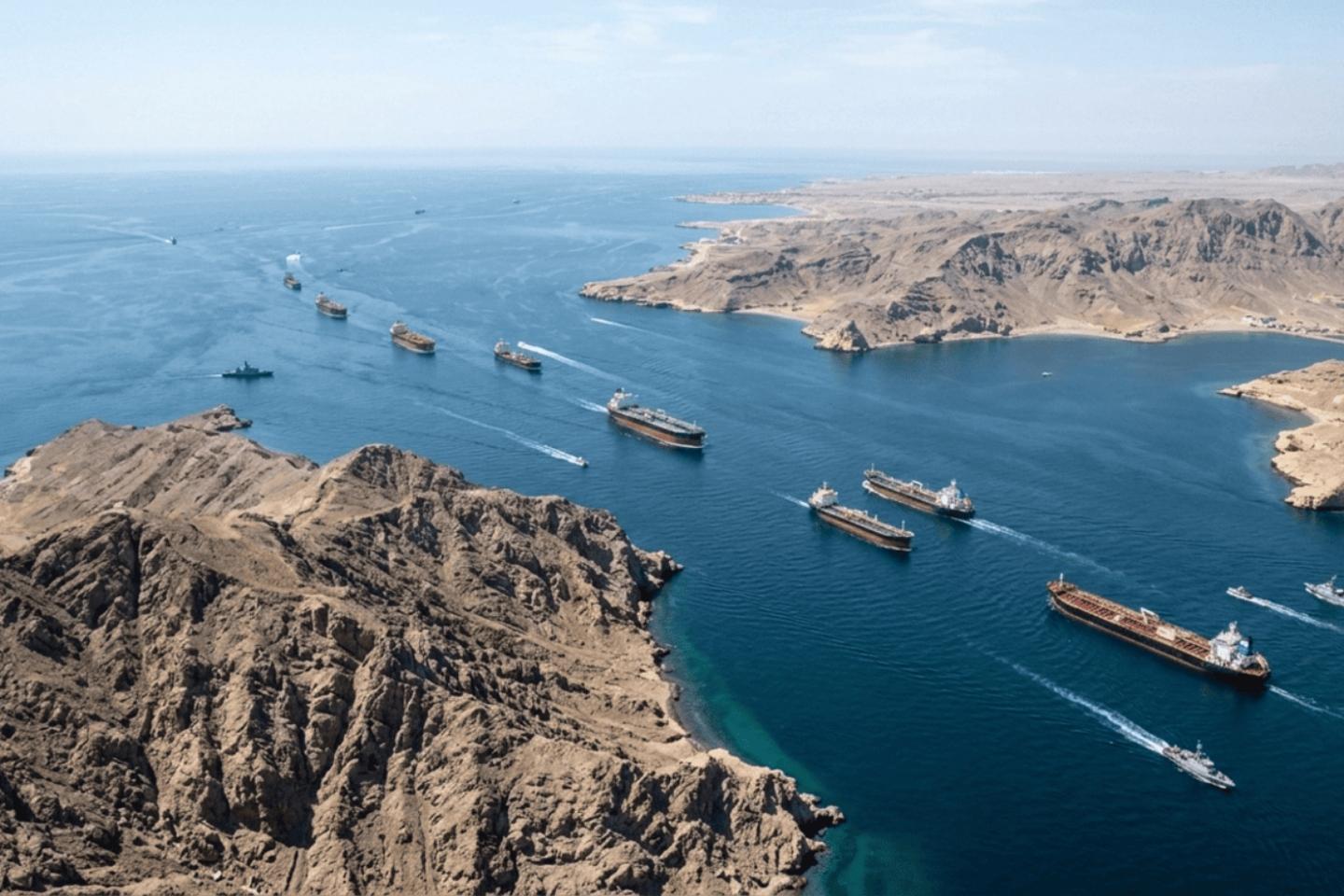
Oil tanker hit by projectile near Oman as Strait of Hormuz shipping risks rise

DUBAI: An oil tanker was struck and disabled by an unidentified projectile near the coast of Oman in the Strait of Hormuz, highlighting the growing risks facing commercial shipping as tensions surrounding the Iran conflict continue to disrupt one of the world’s most important energy corridors.

The United Kingdom Maritime Trade Operations (UKMTO) reported Tuesday that the tanker was hit Monday night a few miles off Oman’s eastern coast. The impact damaged the vessel’s engine and left it unable to continue normal operations. All crew members were reported safe, and there were no immediate reports of environmental damage.

The identity of the vessel and the exact source of the projectile were not immediately established. The incident comes amid a series of attacks and other maritime incidents in and around the Strait of Hormuz since the conflict between Iran and the United States and its regional partners intensified.

Strait of Hormuz under growing pressure

The Strait of Hormuz is a critical global shipping route connecting the Persian Gulf with the Gulf of Oman and the Arabian Sea. Any prolonged disruption could have consequences far beyond the Middle East, particularly for global oil and gas markets.

Commercial shipping through the waterway has already fallen sharply. Data cited by Reuters showed that tanker traffic has slowed dramatically following attacks on vessels, with many shipping companies increasingly concerned about the risks of navigating the strait.

On Monday, commodity-vessel traffic through the waterway reached a three-month low, with only a small number of tankers making the passage, according to shipping data. The latest tanker strike adds another layer of uncertainty for companies attempting to maintain operations through the strategic waterway.

No immediate environmental impact reported

Authorities said there was no immediate indication of an oil spill from the latest incident. That has provided some relief after previous maritime incidents in the region caused significant environmental concerns. A separate tanker grounding off Oman earlier this month resulted in a major oil spill that reached the country’s coastline, according to Omani authorities and international agencies. The possibility of additional tanker damage remains a major concern for shipping companies, insurers and governments monitoring the conflict.

Shipping companies face difficult choices

The continuing attacks have forced shipping companies to reassess whether vessels can safely use the Strait of Hormuz. Some vessels have reduced or delayed voyages, while others have sought alternative routes where possible. Shipping companies also face higher insurance costs and uncertainty over whether vessels can safely pass through the waterway. The decline in traffic is particularly significant because the Strait of Hormuz is a crucial route for energy shipments from Gulf producers.

The United States and Iran have exchanged threats during the conflict, while Iranian officials have repeatedly warned that escalation could affect shipping through the strait. Reuters reported that Iran has several options for increasing pressure on global energy markets, including further disruption of shipping routes.

Incident comes amid diplomatic efforts

The tanker incident occurred as Pakistan intensified diplomatic efforts to bring the United States and Iran back toward negotiations. Pakistan has been attempting to mediate between the two sides, with senior Pakistani officials holding talks in Tehran. The diplomatic efforts are aimed in part at reducing tensions and restoring safer navigation through the Strait of Hormuz.

The United States has also expanded economic sanctions against Iran, while Tehran has vowed to resist the new measures. The combination of increased economic pressure and continued maritime incidents has raised concerns that the conflict could remain volatile even as diplomatic efforts continue.

Global energy markets watching closely

Despite the latest tanker incident, oil prices fell Tuesday as investors assessed the impact of the latest U.S. sanctions and the possibility that diplomatic efforts could eventually reduce tensions. Reuters reported that Brent crude fell more than 3 percent to around $89 a barrel, while U.S. West Texas Intermediate crude also declined.

Analysts, however, continue to warn that any major disruption to the Strait of Hormuz could quickly change the outlook for global energy supplies. For now, the latest tanker strike underscores the fragile security environment in the Gulf. With commercial traffic already significantly reduced and diplomatic efforts still uncertain, shipping companies and energy markets remain highly sensitive to any new incident in or around the Strait of Hormuz.


U.S. Debt Tops $40 Trillion, Trump Bets on Economic Growth

Shibbir Ahmed, Washington, D.C.: The U.S. national debt has surpassed $40 trillion for the first time, marking an unprecedented level of government indebtedness. To ease the burden of the massive debt, President Donald Trump’s administration is placing greater emphasis on rapid economic growth. Economists and financial-market analysts, however, are questioning whether economic growth alone can realistically reduce such a huge debt burden.

According to data from the U.S. Treasury Department, the national debt now exceeds $40 trillion. Of that amount, approximately $32.3 trillion is debt held by the public, while another $7.8 trillion is held by government accounts and trust funds.

Treasury Secretary Scott Bessent has argued that the United States must rely on economic growth to help manage its mounting debt. The administration’s reasoning is that if the economy grows rapidly, the debt-to-GDP ratio could decline while stronger economic activity could also generate higher government revenues.

Economists, however, remain skeptical of the strategy. They argue that given the size of the current federal budget deficit, rising interest costs and structural pressures on government spending, it will be extremely difficult to resolve the debt problem through economic growth alone.

As U.S. debt continues to rise, so does the government’s cost of servicing that debt. Interest payments have become one of the largest components of federal spending. The growing interest burden could put additional pressure on funding for education, healthcare, infrastructure and other government programs in the years ahead.

The mounting debt is also affecting the U.S. bond market. Yields on long-term U.S. Treasury securities have risen, potentially increasing the government’s cost of borrowing. Market analysts say that lowering interest rates alone will not solve the problem; Washington also needs a credible long-term strategy to reduce budget deficits.

Critics of the Trump administration’s growth-focused strategy warn that if economic growth does not outpace the growth of the national debt, the debt burden could continue to increase rather than decline. A recent analysis by economists cautioned that, given the current deficit and rising interest costs, relying solely on economic growth to overcome a $40 trillion debt burden would be extremely difficult.

The milestone comes at a time when the U.S. government is simultaneously facing major decisions involving trade policy, defense spending, taxation and Social Security programs. As a result, controlling the national debt could become one of Washington’s biggest economic challenges in the years ahead.

Analysts say that in addition to promoting economic growth, the United States will need to control government spending, increase revenues and implement measures to reduce the long-term budget deficit if it hopes to slow the continued rise in national debt.


U.S. National Debt Surpasses $40 Trillion

Shibbir Ahmed, Washington DC: The United States’ national debt has surpassed the $40 trillion mark for the first time, reaching approximately $40.047 trillion on Wednesday, according to the latest data from the U.S. Treasury Department. The historic milestone underscores the scale of the U.S. government’s accumulated debt and is renewing concerns over the country’s long-term fiscal stability.

According to Treasury data, about $32.266 trillion of the total debt is debt held by the public, while approximately $7.782 trillion consists of intragovernmental holdings—amounts owed by one government account or agency to another.

Debt More Than Doubles in Less Than a Decade

The U.S. national debt has increased at an extraordinary pace over the past decade. When Donald Trump first took office as president in 2017, the national debt stood at approximately $19.95 trillion. It has now more than doubled, surpassing $40 trillion.

Economists say no single administration is responsible for the rapid increase. Massive government spending during the COVID-19 pandemic, persistent federal budget deficits, tax cuts and rising spending on major entitlement programs have all contributed to the growth of the national debt. The debt increased substantially during both the Trump and Joe Biden administrations.

Rising Interest Costs Add to Fiscal Pressure

Beyond the size of the debt itself, the cost of servicing it has become a major concern for the U.S. government. According to Reuters analysis, interest payments on the federal debt have become one of the largest components of federal spending and have surpassed spending on Medicare, ranking behind Social Security among the government’s largest expenditures.

Economists warn that interest costs could rise further as older debt is refinanced at higher interest rates. This could limit the government’s ability to allocate resources to areas such as education, infrastructure, defense and other public programs.

Large July Budget Deficit

The latest milestone comes amid continuing large federal budget deficits. According to Reuters, the U.S. government recorded a budget deficit of approximately $432 billion in July alone, one of the largest monthly deficits in the country’s history.

Rising spending on Social Security and Medicare, along with lower-than-expected revenue from tariffs and other sources, contributed to the large shortfall.

Trump Policies Could Add Further to Debt

Concerns are also growing over the potential impact of the Trump administration’s recent tax and spending policies. According to Reuters, President Trump’s widely discussed “One Big Beautiful Bill Act” could add approximately $4.7 trillion to the national debt over the coming years, based on estimates cited in the report.

Economists and budget watchdogs warn that continued growth in federal debt could reduce the government’s fiscal flexibility. It could also make it more difficult for Washington to respond to future economic downturns, inflationary pressures or other national emergencies.

Investor Concerns Grow

The growing national debt is also putting pressure on the U.S. government bond market. Yields on long-term Treasury securities have recently reached multi-year highs as investors demand higher returns to hold long-term U.S. government debt.

On Wednesday, the Treasury Department announced plans to increase its long-term Treasury bond buyback operations. The size of individual operations is expected to increase from about $2 billion to at least $4 billion.

Following the announcement, yields on long-term U.S. government bonds declined somewhat, while global bond markets also reacted positively.

Global Economic Implications

U.S. Treasury securities are widely regarded as among the safest and most important financial assets in the world. As a result, major changes in the U.S. debt and Treasury markets can have consequences far beyond American financial markets.

High government debt, inflation concerns and geopolitical tensions have recently contributed to higher long-term government bond yields in several countries.

Reuters reported that following the latest Treasury action, long-term European bond yields also declined somewhat. At the same time, the U.S. dollar came under pressure while gold prices rose sharply.

A Major Fiscal Challenge Ahead

The crossing of the $40 trillion threshold is more than a statistical milestone for the United States. It reflects decades of federal budget deficits and growing reliance on government borrowing.

Budget analysts warn that if the current pace of debt accumulation continues, Washington could face increasingly limited fiscal flexibility. Borrowing could also become more expensive, particularly during periods of economic stress.

The ultimate impact of the $40 trillion debt level will depend on several factors, including economic growth, interest rates, government spending, tax revenues and the fiscal policies adopted by future administrations.

But the historic milestone has already renewed international debate over the sustainability of U.S. government finances and the future management of the world’s largest sovereign debt.